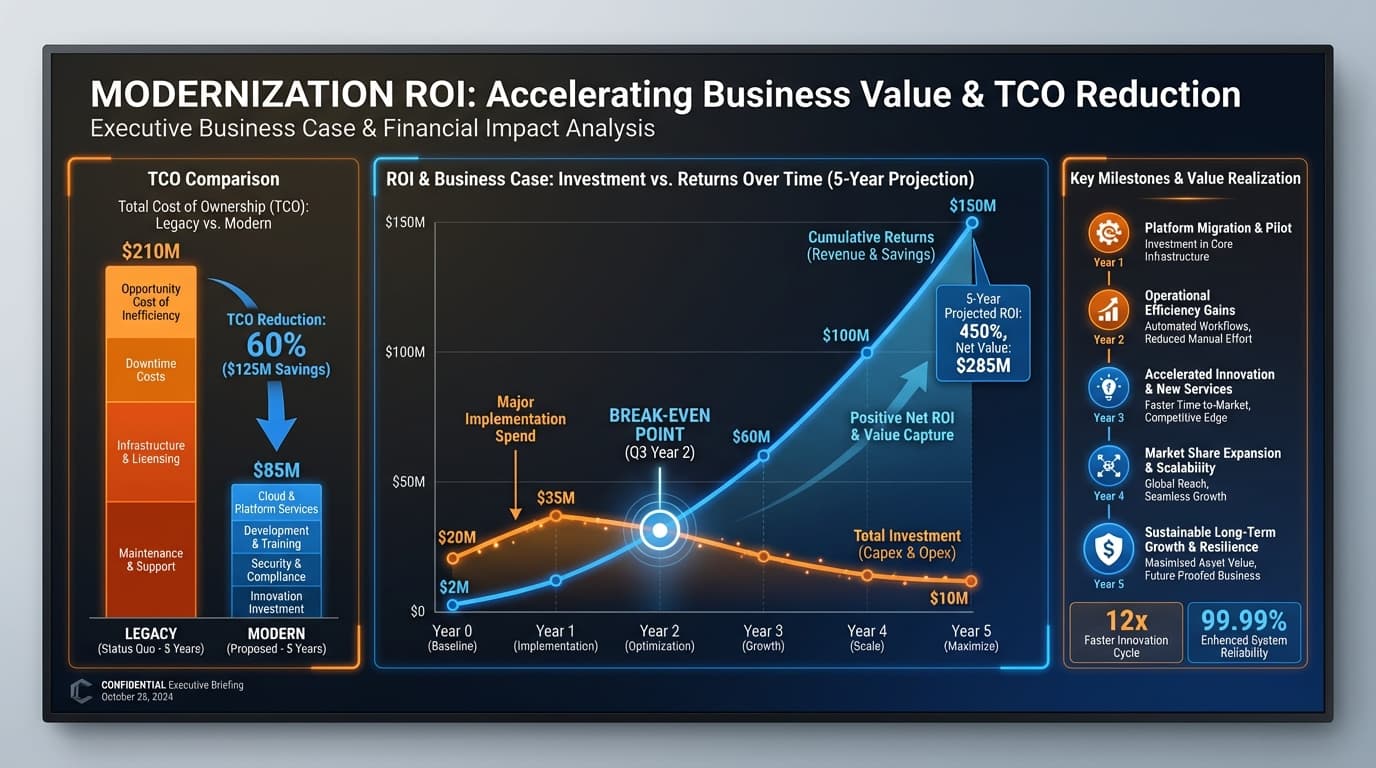
Calculating Modernization ROI: The Board-Ready Business Case
CTOs struggle to justify modernization investments because they speak technology, not finance. Here is how to build a business case that gets approved.
Stay updated with the latest in IT, AI, and digital transformation

CTOs struggle to justify modernization investments because they speak technology, not finance. Here is how to build a business case that gets approved.

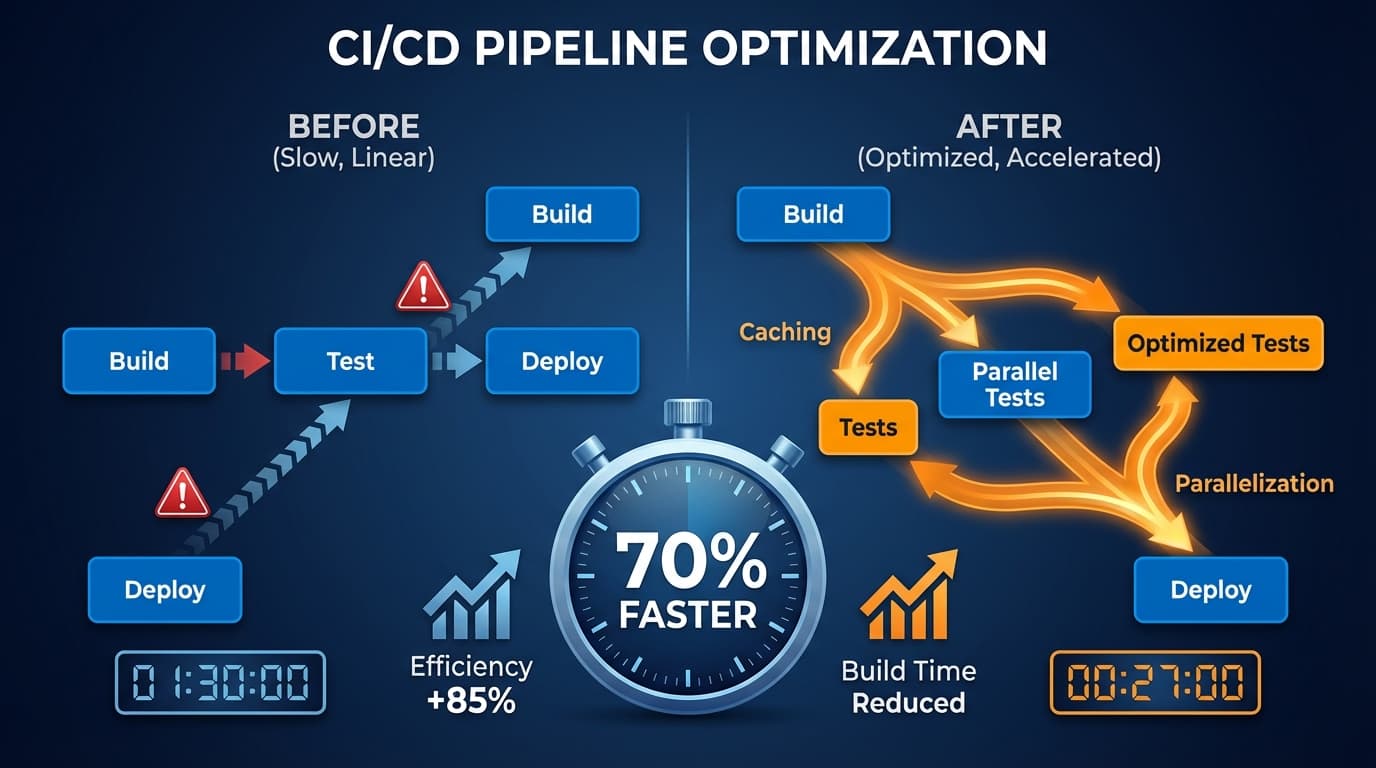
Every minute your pipeline runs is a minute your developer waits. Here are the proven techniques that turn 30-minute builds into 8-minute builds.

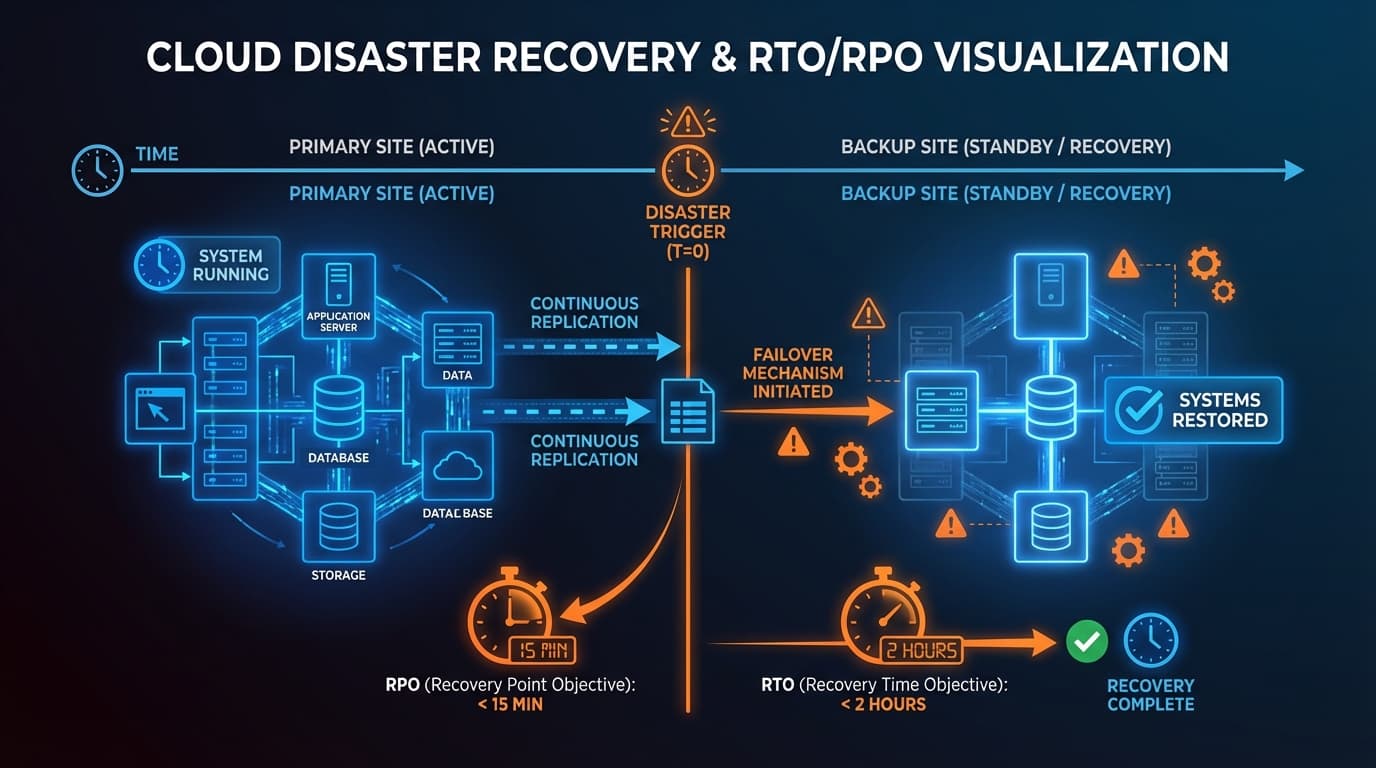
Most DR plans fail when tested. Here is how to set realistic RTO and RPO targets for cloud workloads—and build architecture that actually achieves them.

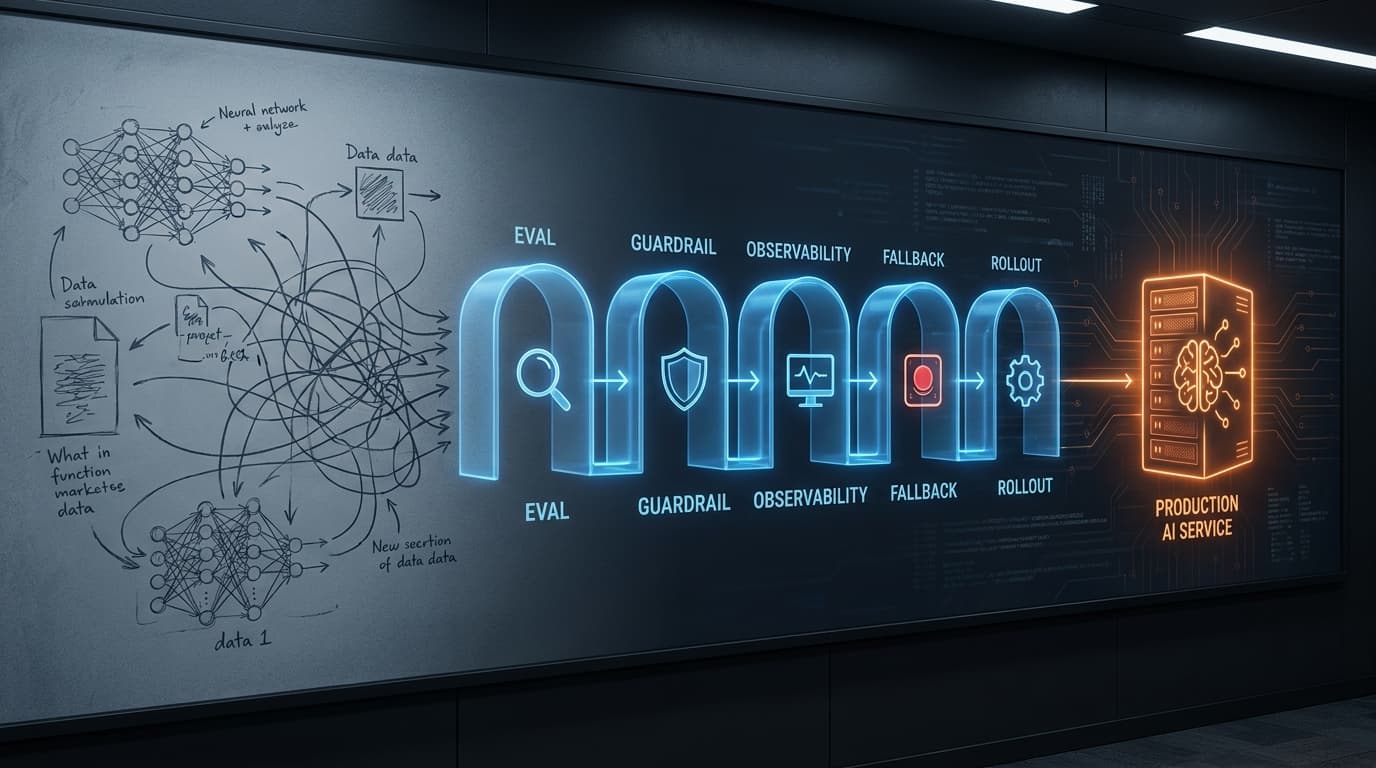
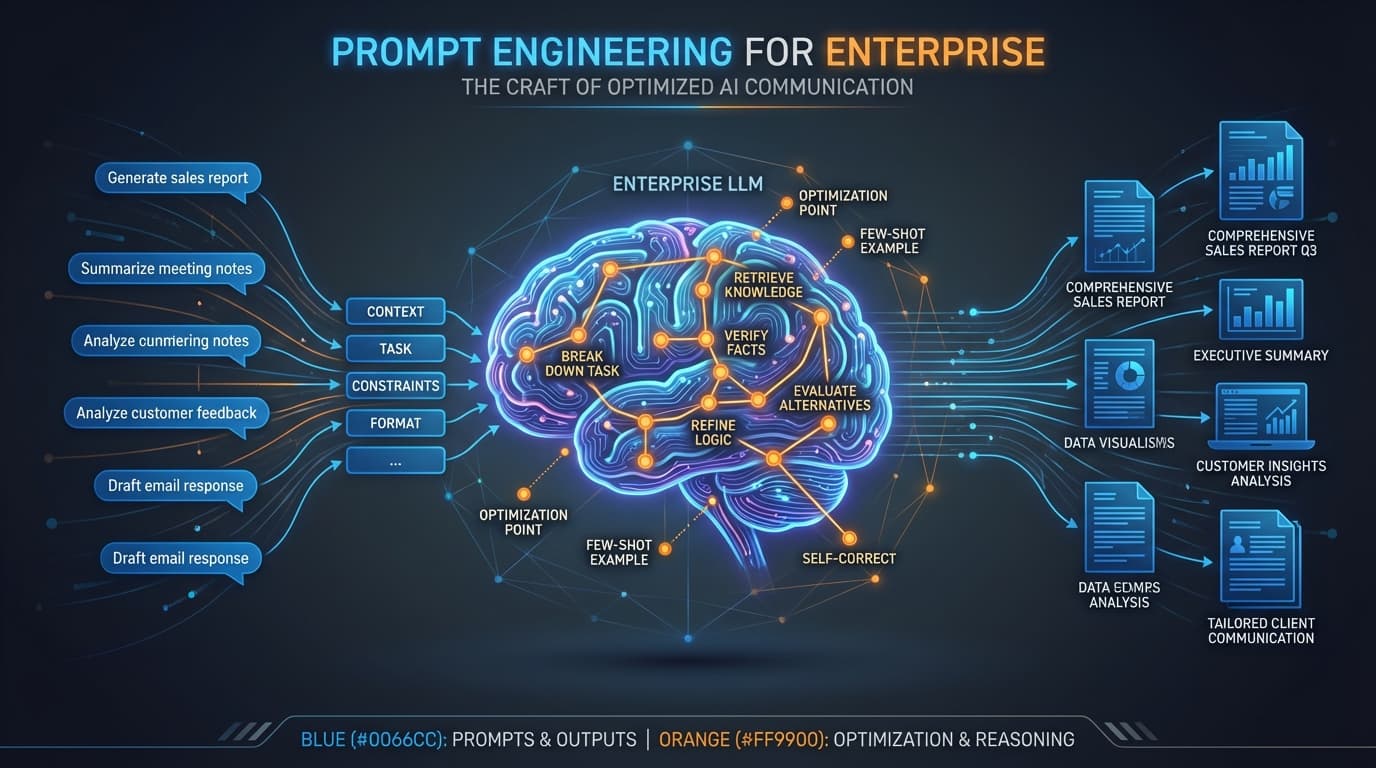
Enterprise prompt engineering is not about clever tricks. It is about building reliable, maintainable, and scalable AI systems. Here is what actually works.

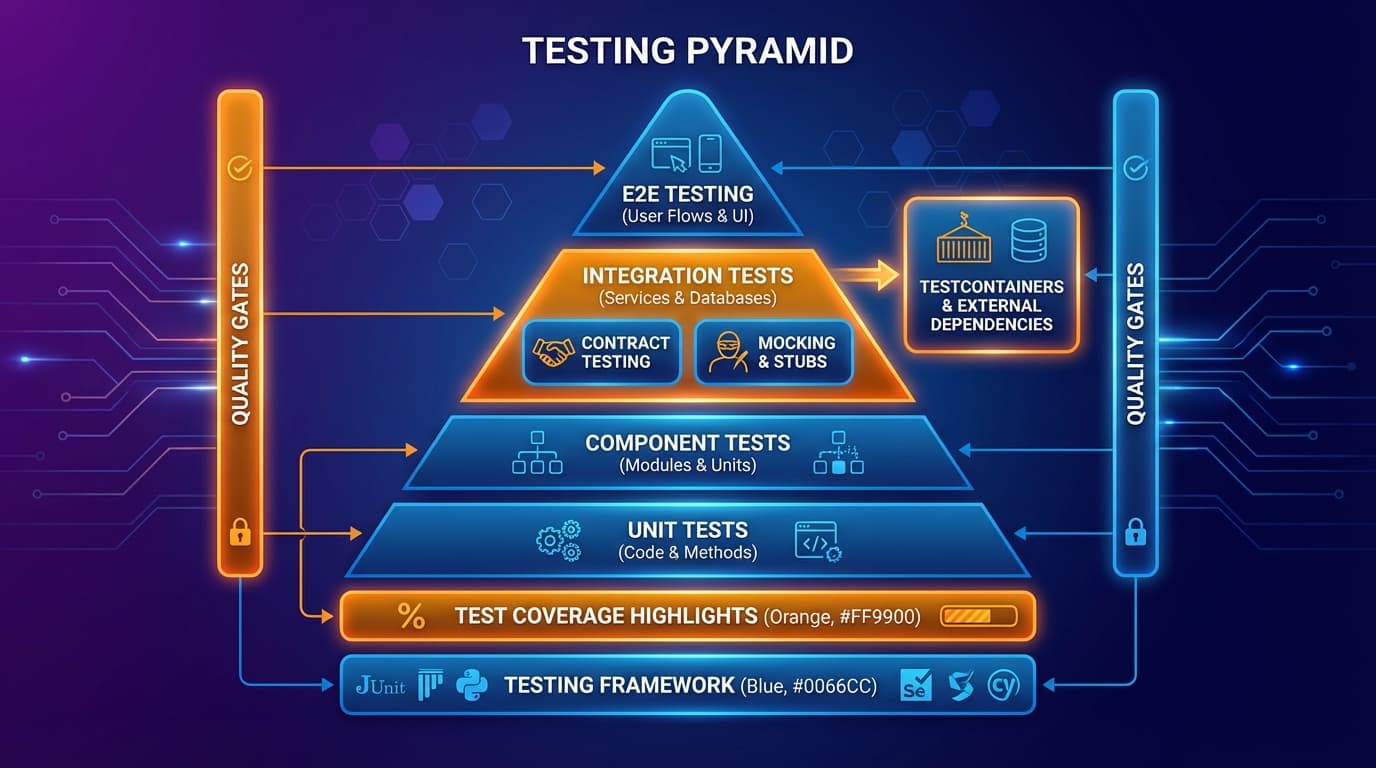
Your unit tests pass, your integration tests are flaky, and production is on fire. Here's how to build integration tests that actually work.

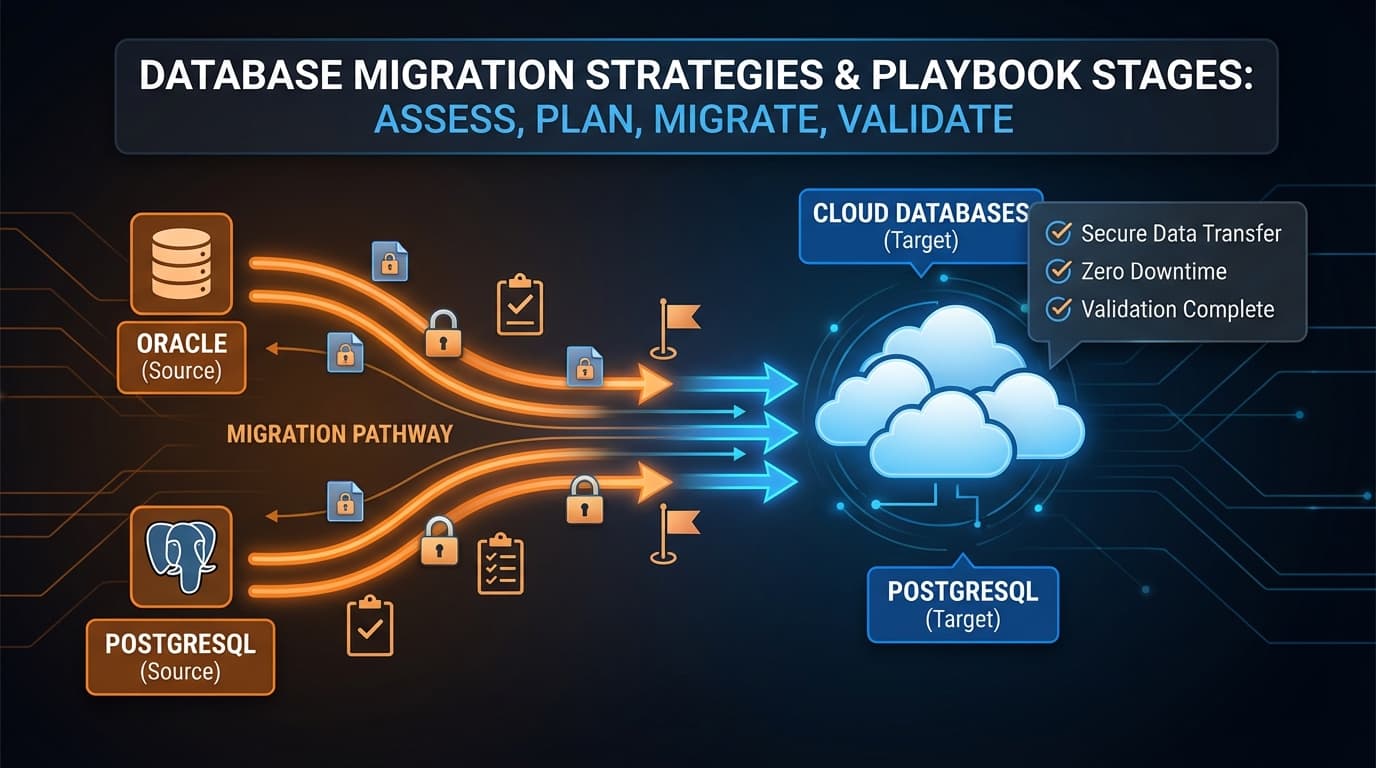
Database migrations are high-risk, high-reward projects. This playbook covers strategies, pitfalls, and practical advice for moving between Oracle, PostgreSQL, and cloud databases.

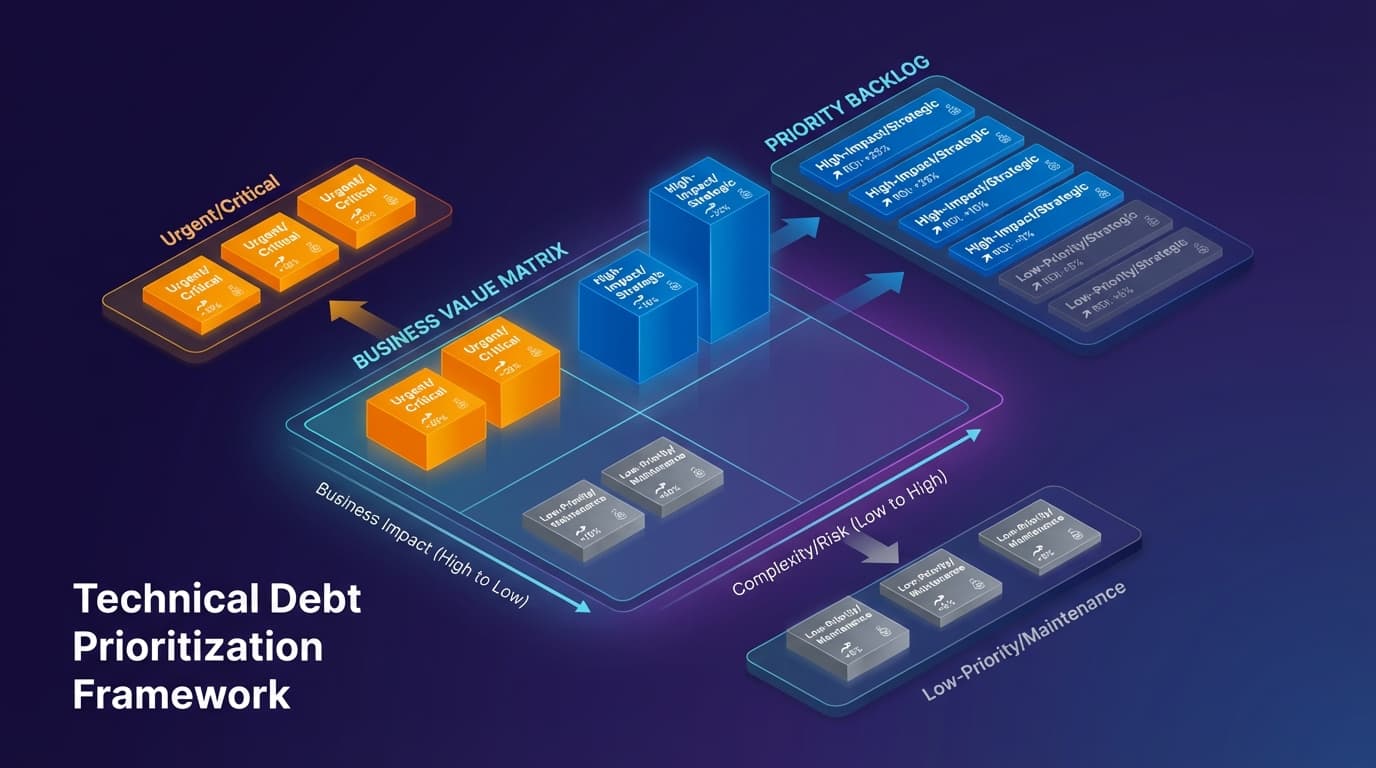
Not all technical debt is equal. Here is a systematic framework to identify which debt to pay down first—based on business impact, not engineering preference.

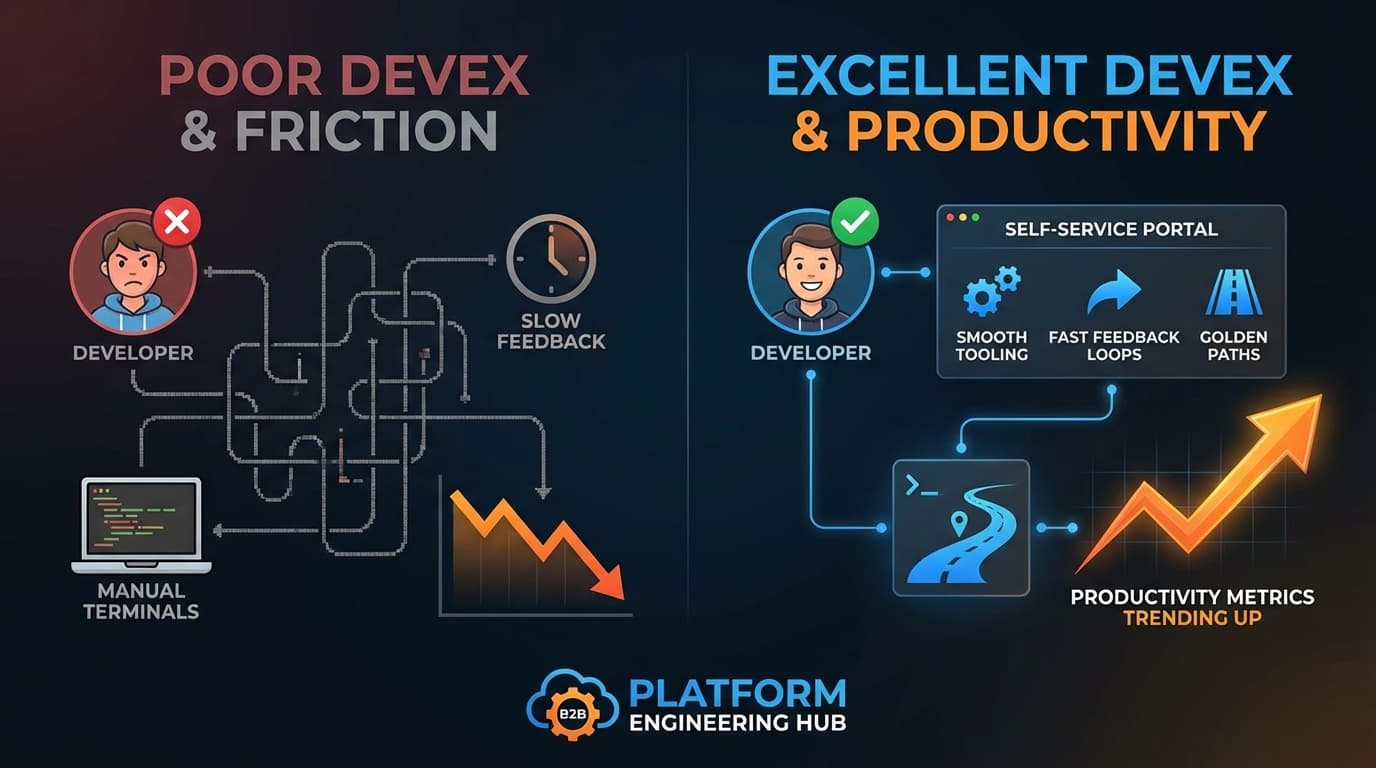
Your developers spend 40% of their time waiting, searching, and fighting tooling. Better DevEx is not a perk—it is a competitive advantage.

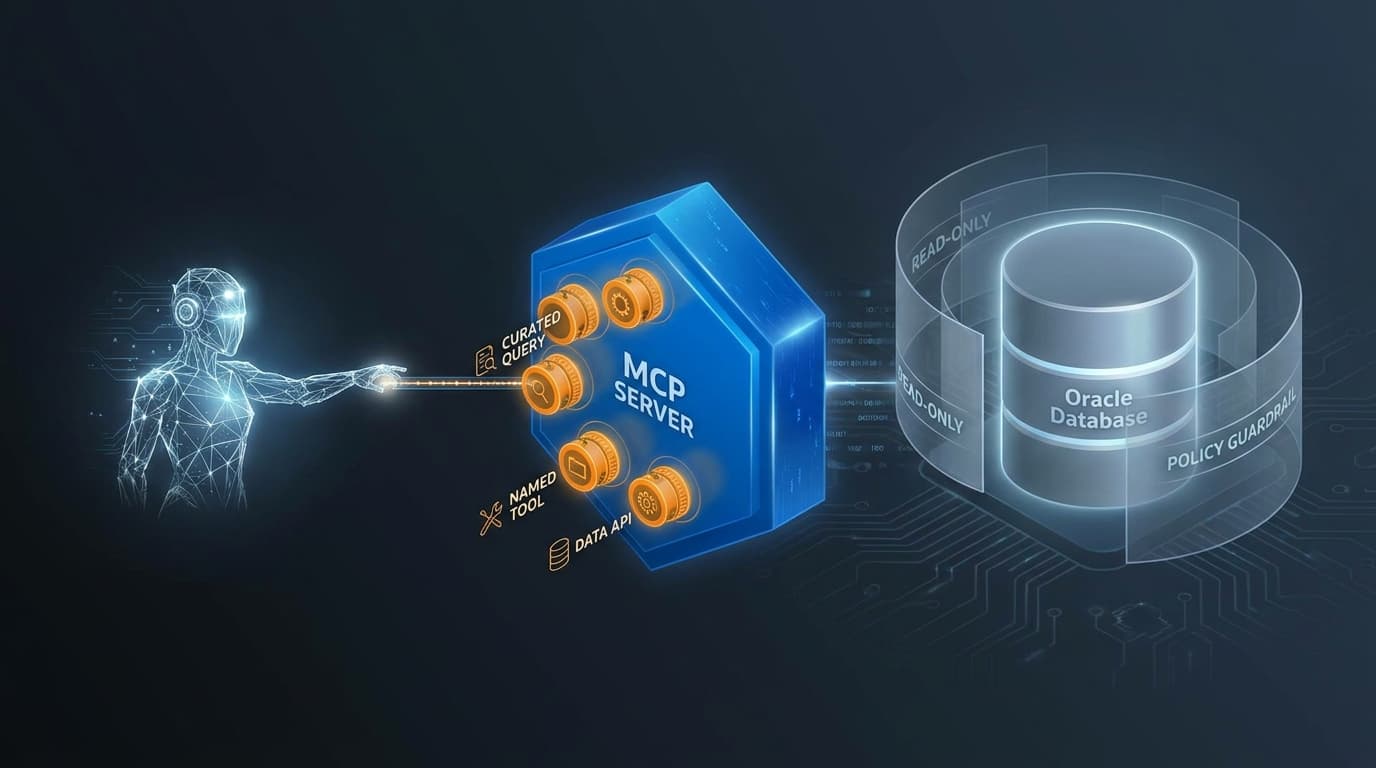
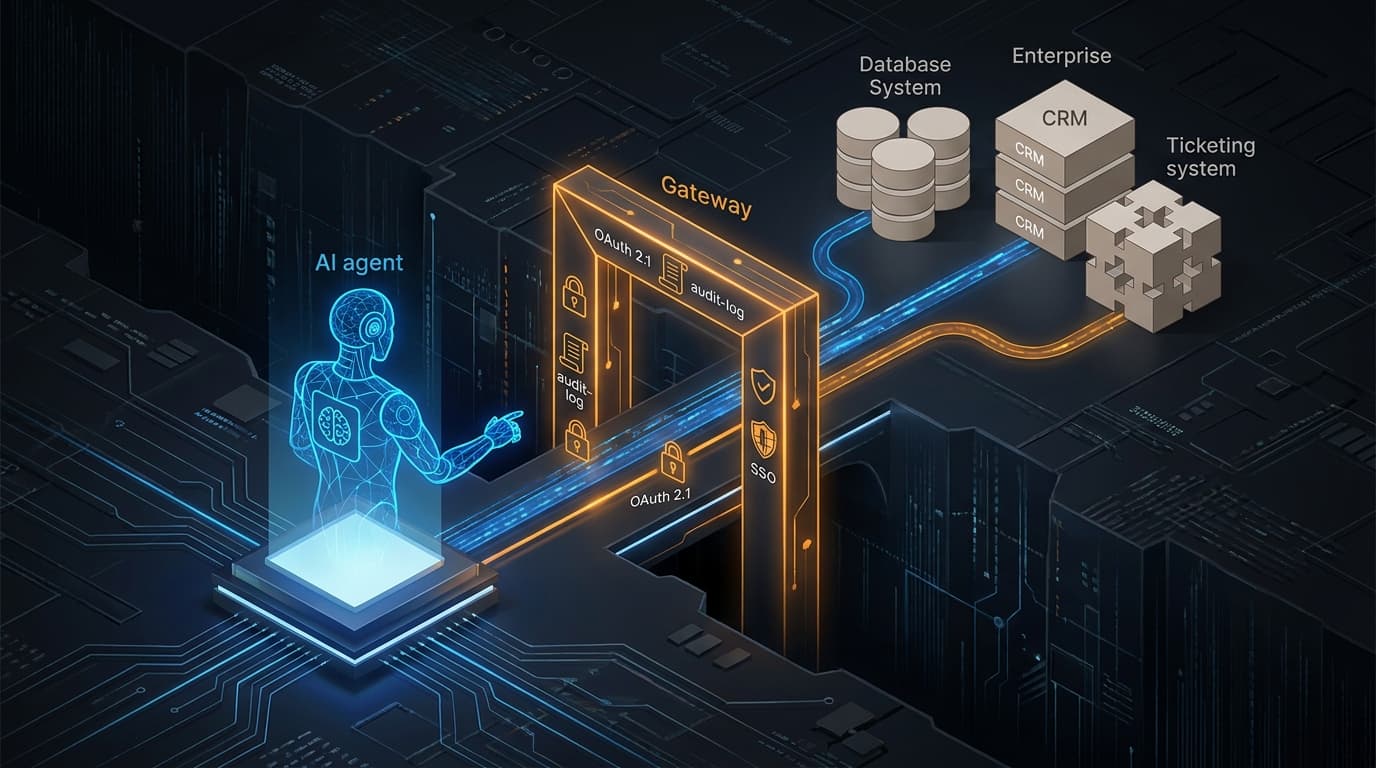
Letting an agent loose on the database is a bad idea. Putting a thin MCP server in front of curated queries is a good one. A pragmatic build pattern, end-to-end.

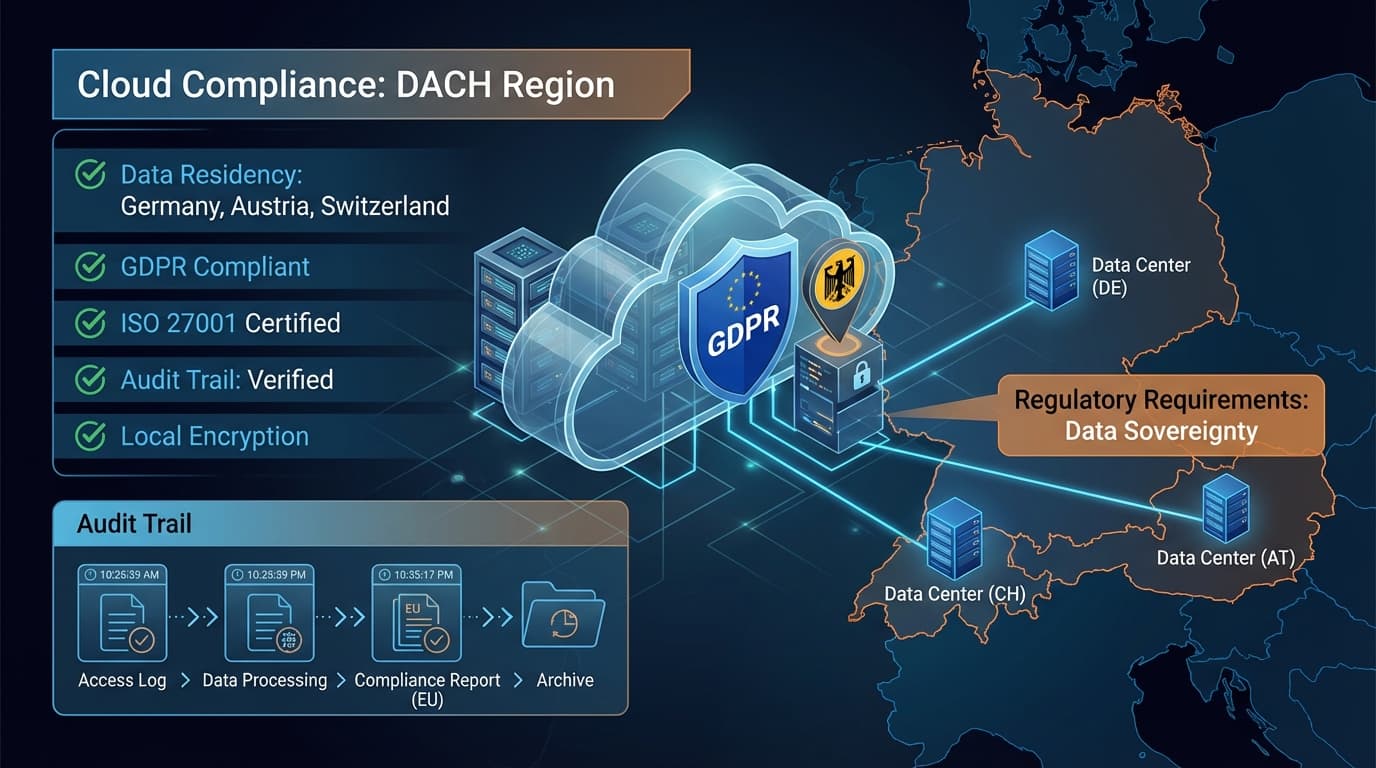
European regulations are reshaping cloud architecture requirements. Here is what GDPR, NIS2, and DORA actually mean for your cloud strategy in the DACH region.

The Model Context Protocol moved from "interesting standard" to "default integration story" in twelve months. Headline numbers, real friction points, and what to do this quarter.

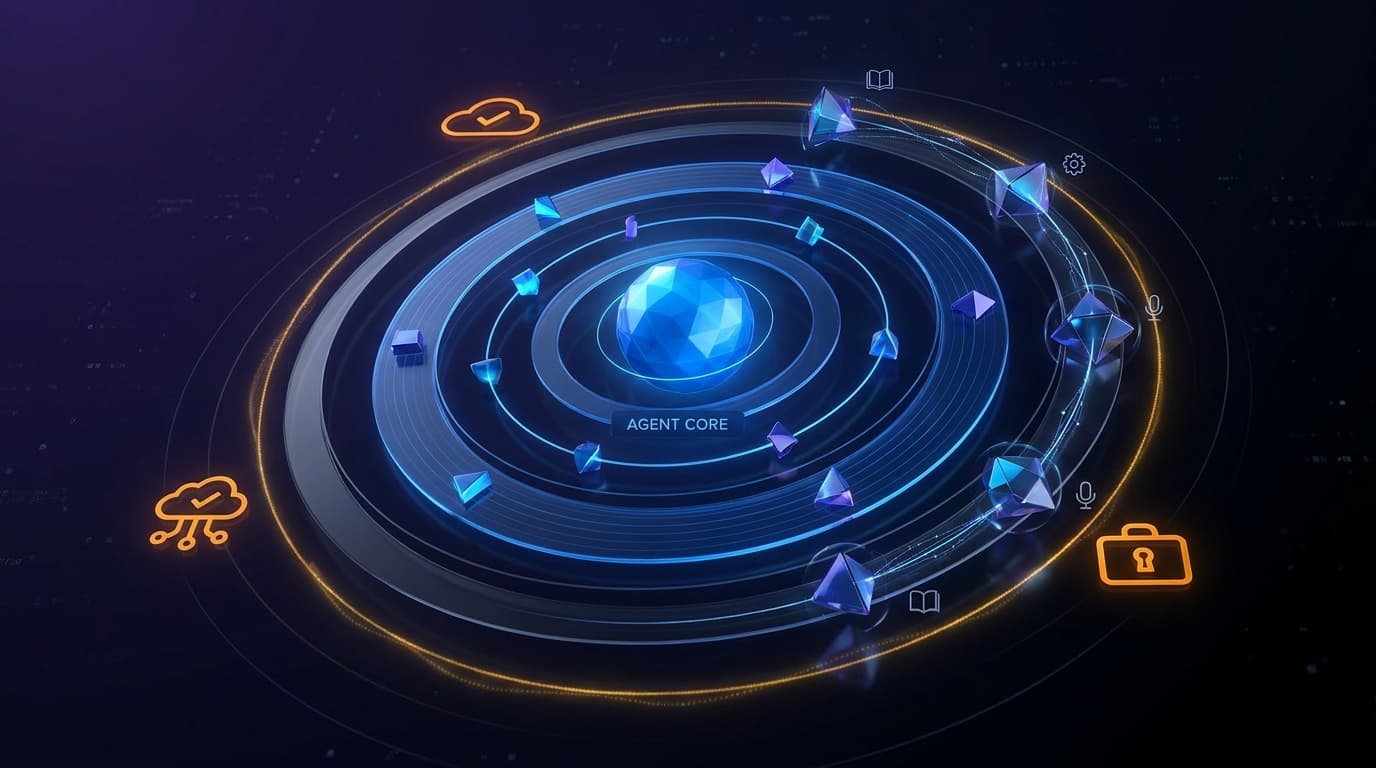
Nous Research shipped a persistent personal agent under MIT licence that learns from use. It is now the most-used agent on OpenRouter. The architecture is the interesting part.

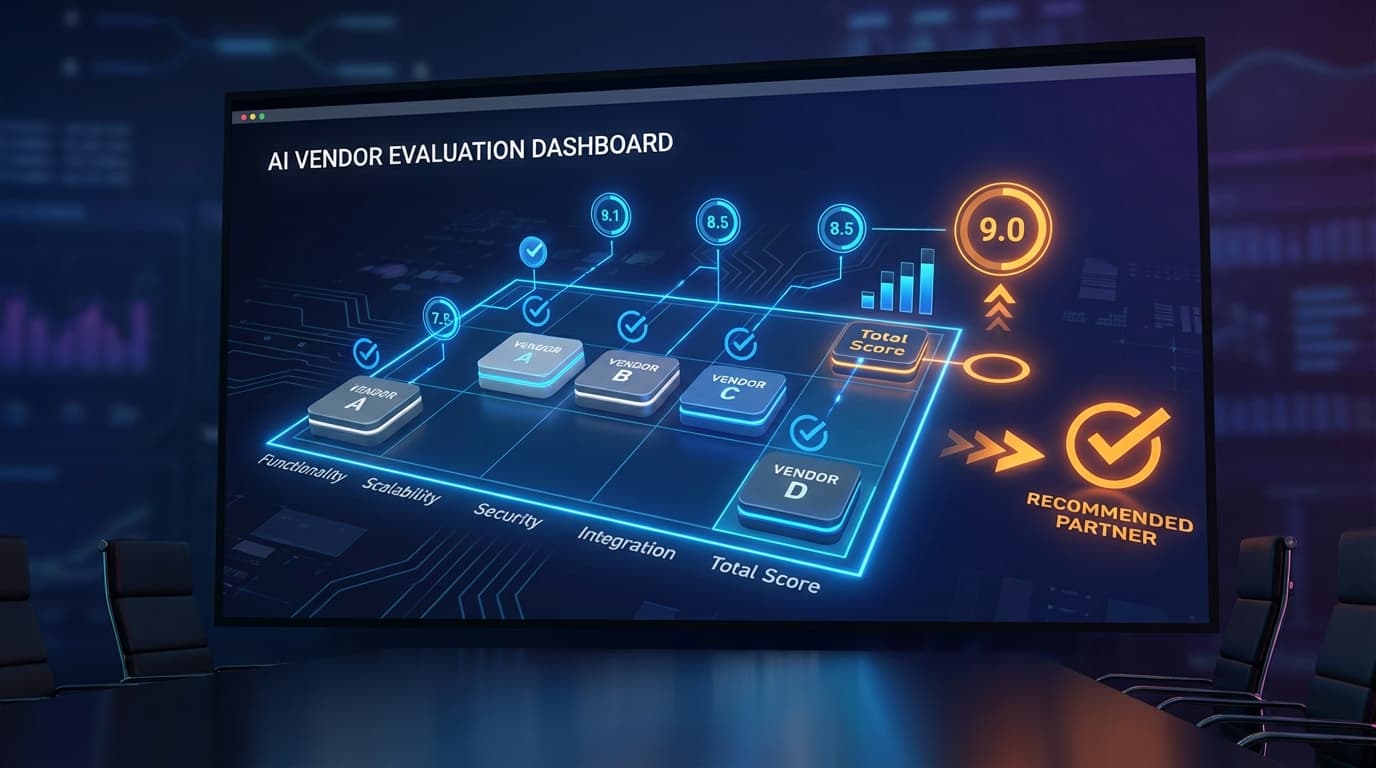
The AI vendor landscape is a minefield of overpromises. Here is the due diligence framework that separates genuine capability from impressive demos.

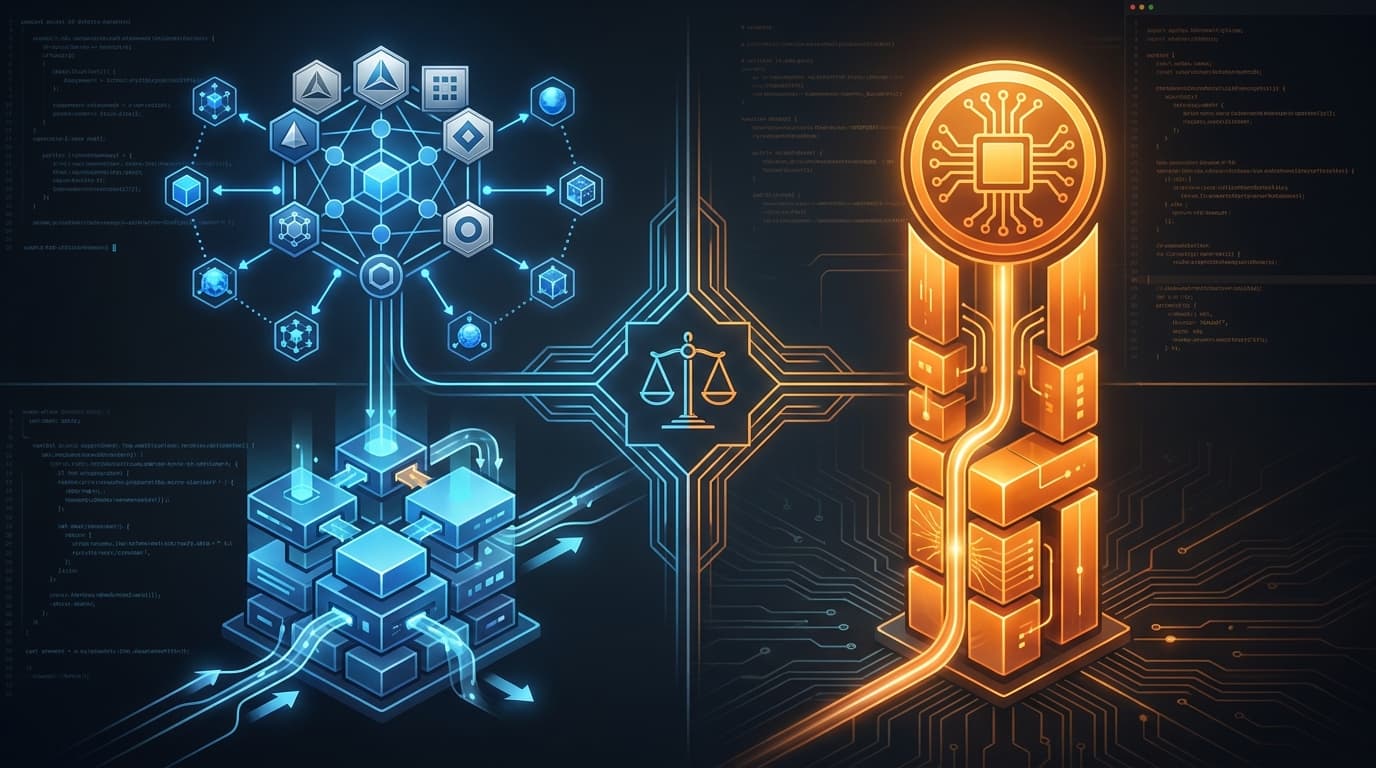
Two of the most-used agentic coding agents in 2026 take opposite positions on lock-in. Both are credible. The right choice depends on questions only your org can answer.

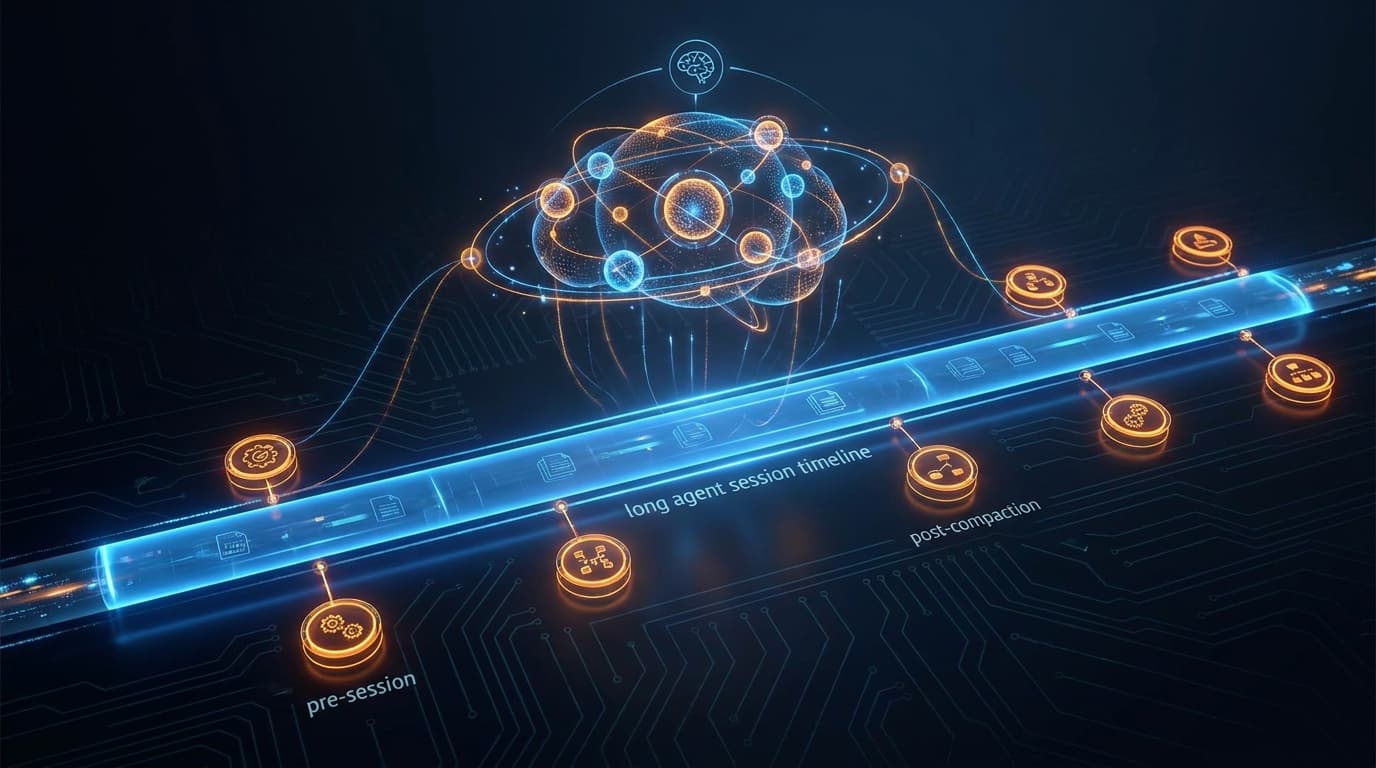
Hooks intercept the agent at well-defined moments. Memory persists context across compaction. Together they turn Claude Code from a clever CLI into something your platform team can actually own.

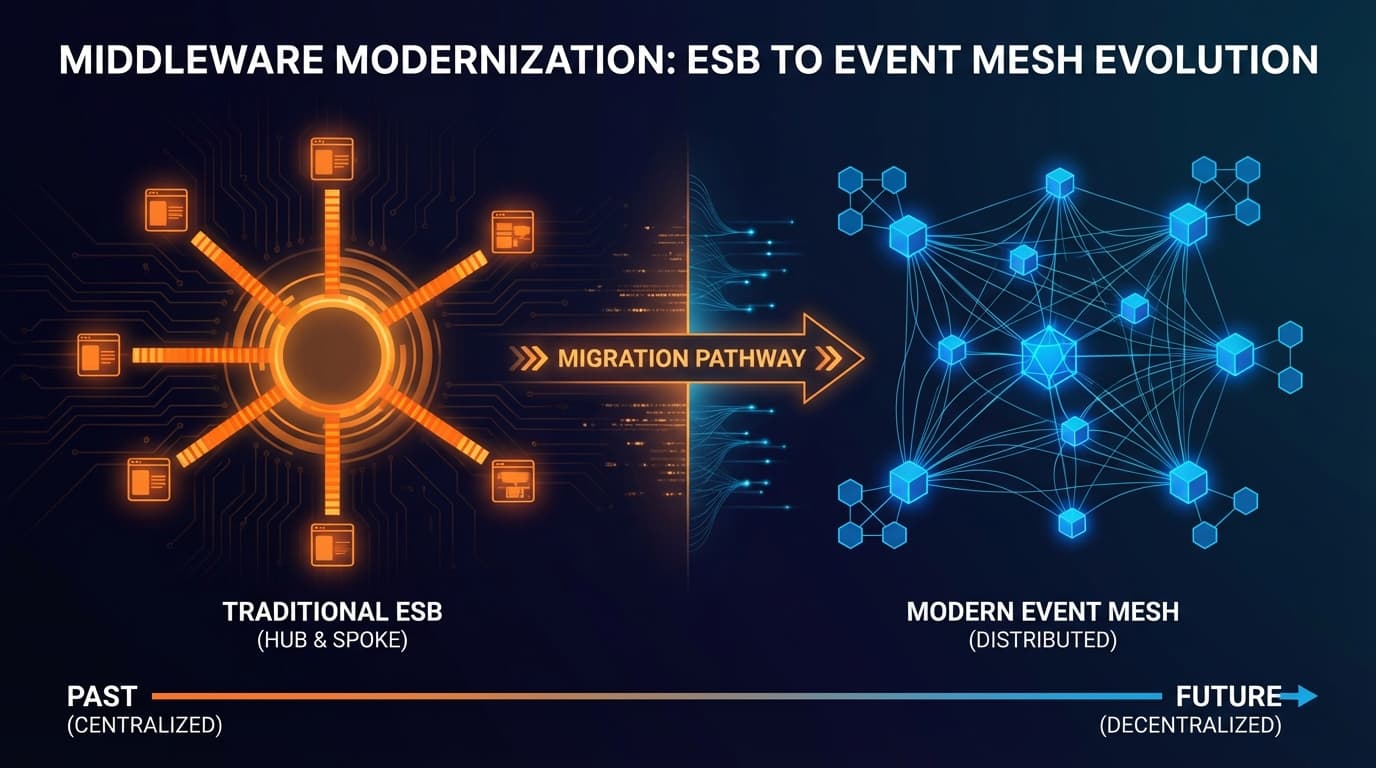
Your Enterprise Service Bus served you well. Here's why it's time for an event mesh and how to migrate.

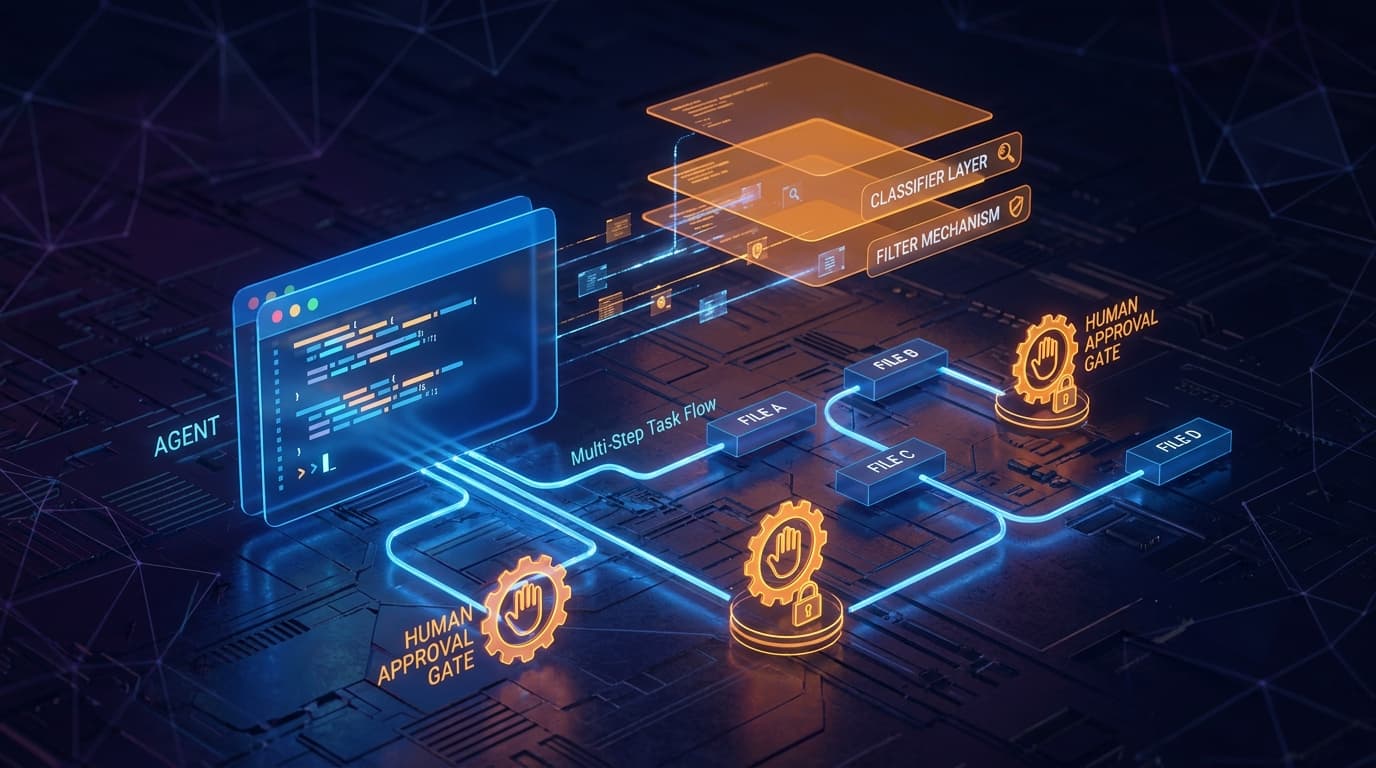
Auto Mode lets the agent run multi-step workflows without you babysitting every keystroke — with safety classifiers and human approval gates layered around it. What changes for your dev team.

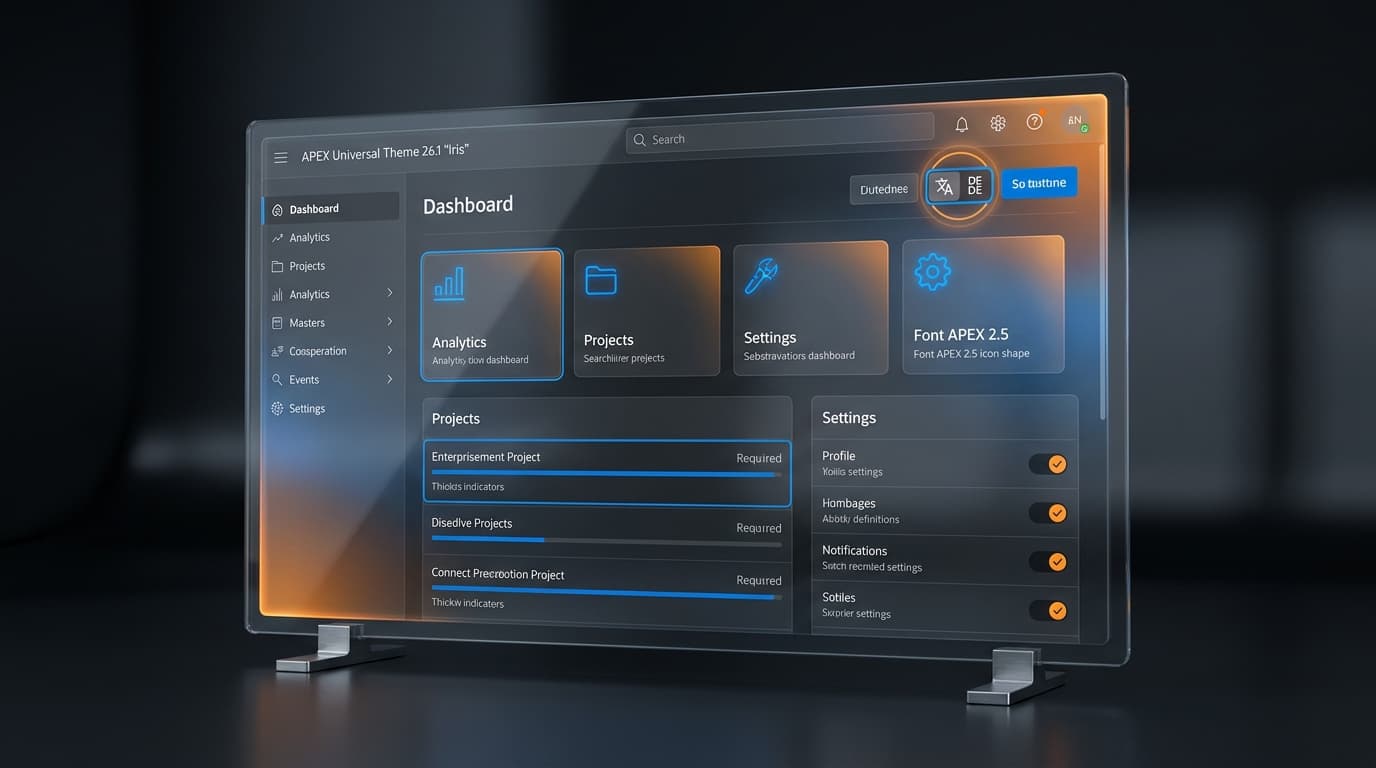
A new style, a refreshed icon font, and message-based translations. The visual half of APEX 26.1 is the part end-users will actually notice — and the part that gets your accessibility audit through.

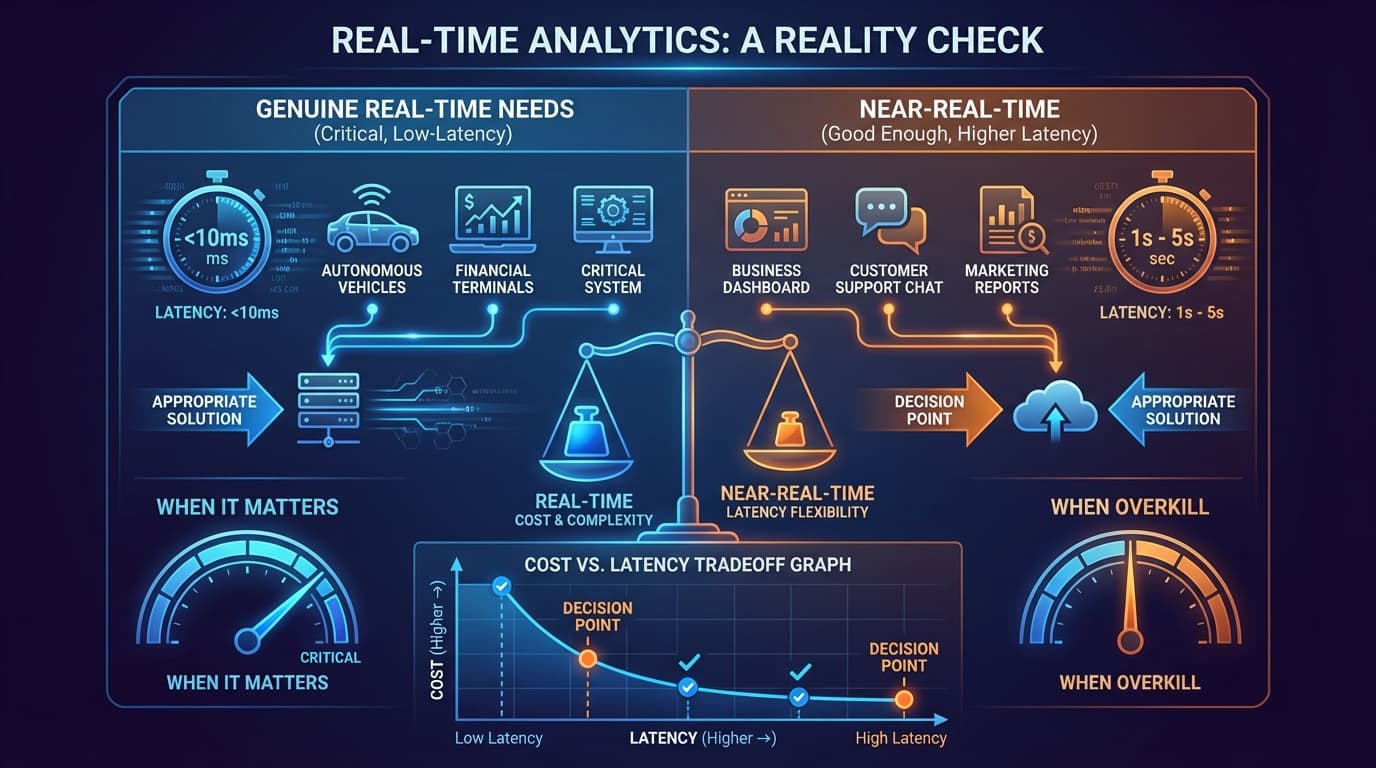
Real-time analytics is expensive and complex. Before investing, make sure you actually need real-time, not just faster batch processing.
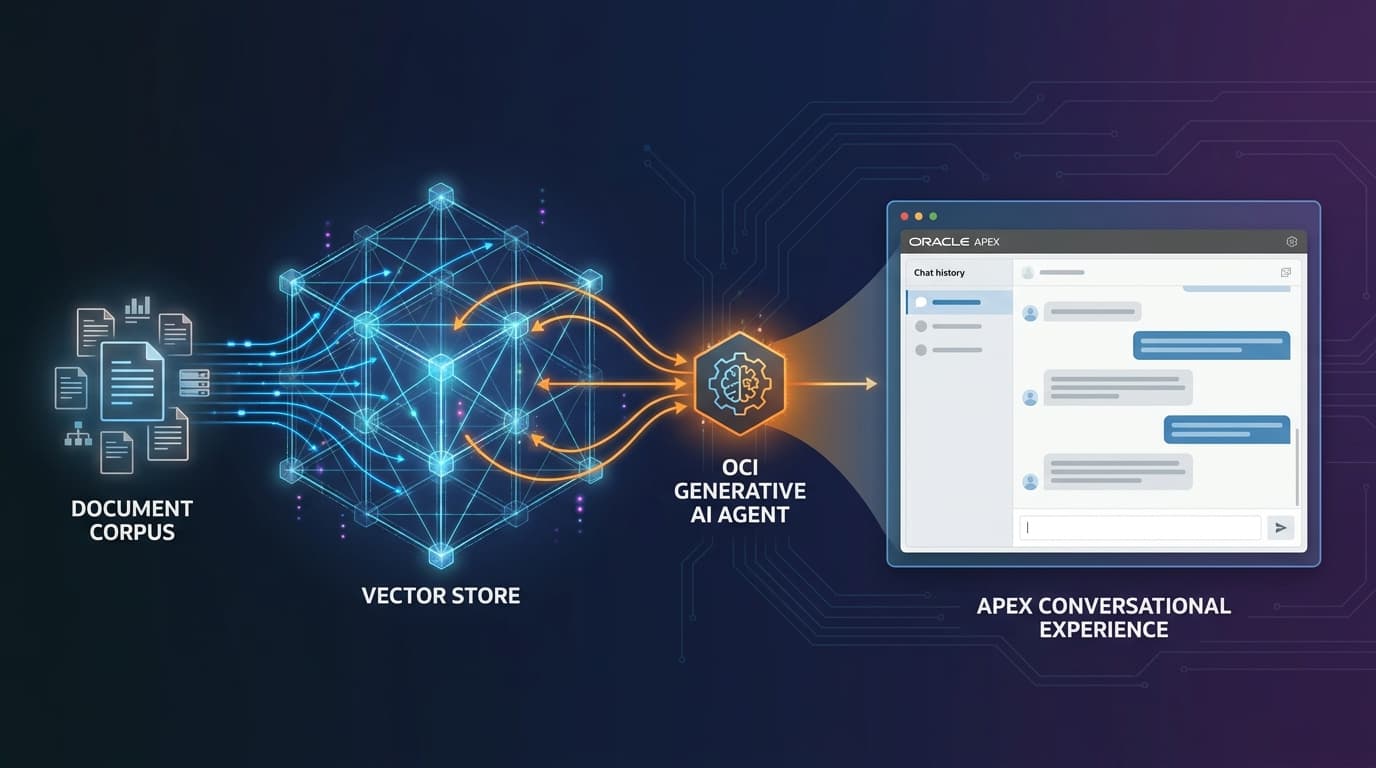
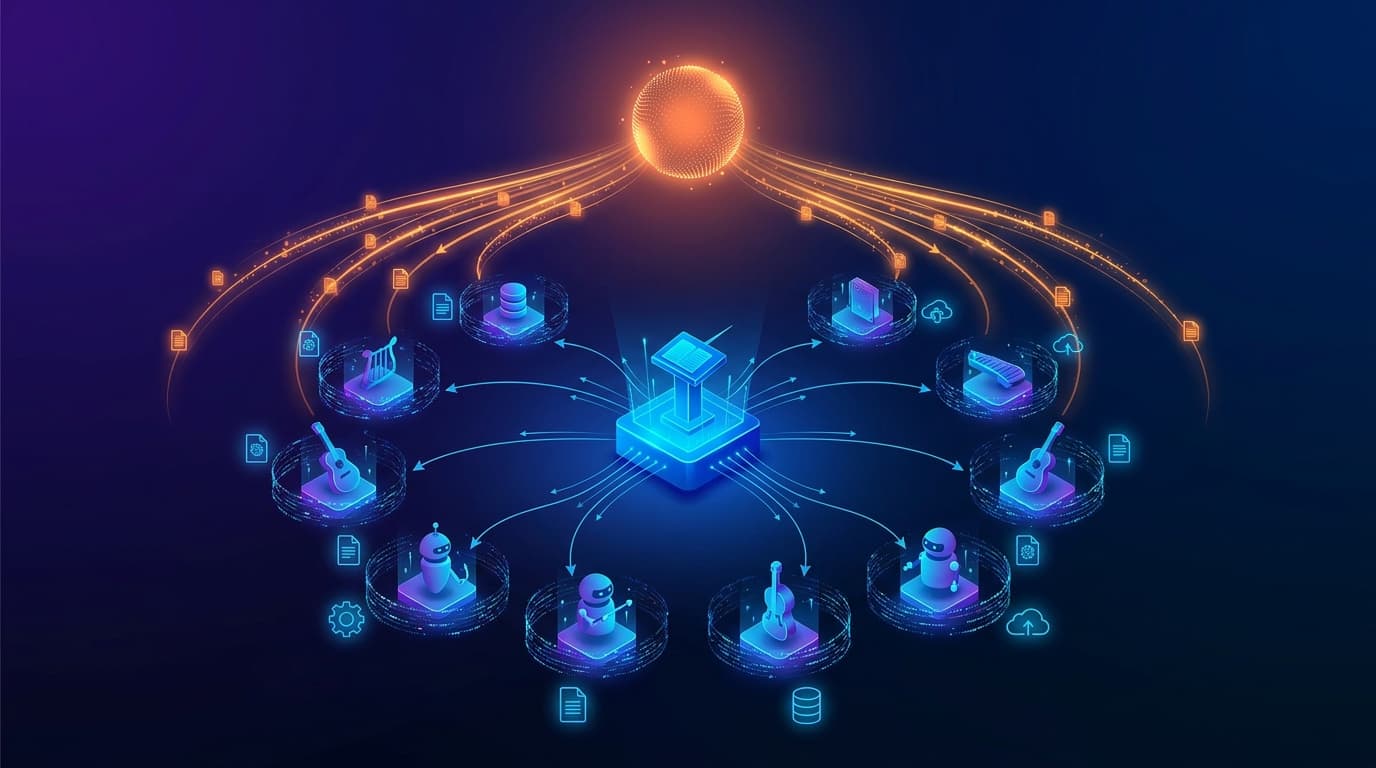
When the question goes beyond your application schema, APEX AI Agents are the wrong tool. The right tool is OCI Generative AI Agents — invoked from APEX through a single REST tool.
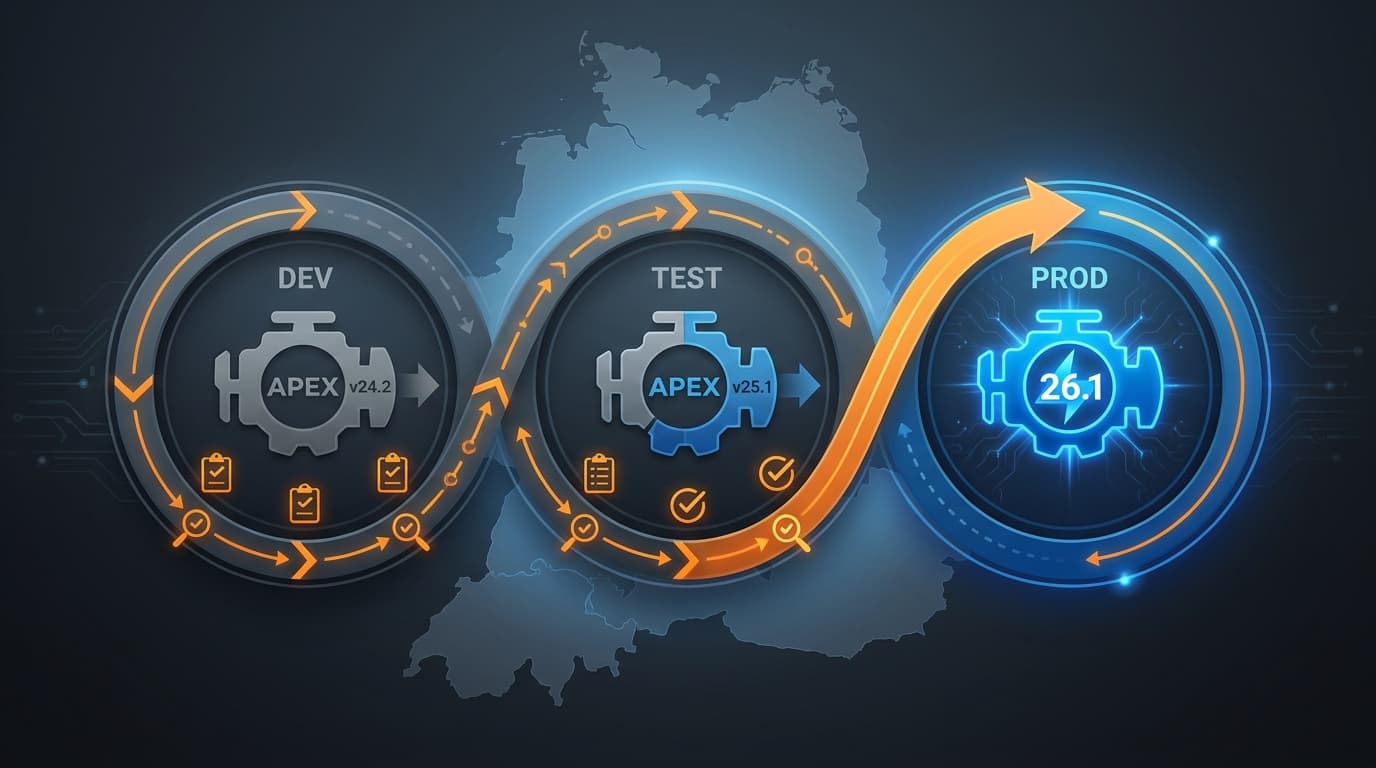
You do not need to rush APEXlang into production tomorrow, and you do not need to skip 26.1 either. A staged upgrade plan that respects how DACH IT actually approves change.

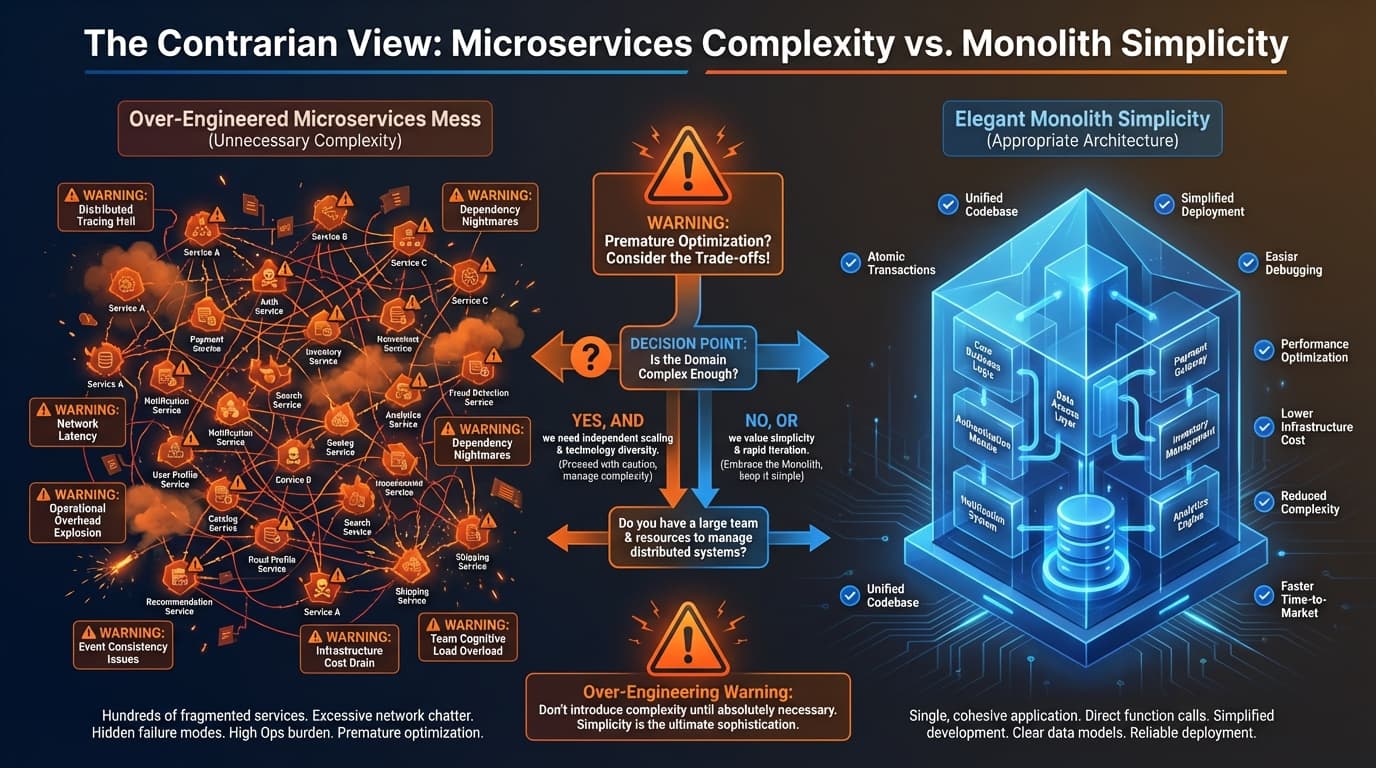
Microservices have become the default architecture choice—but they should not be. Here is when monoliths actually make more sense than distributed systems.

Oracle picked a fight at APEX 26.1's launch — and it is a fight regulated DACH industries have been waiting for someone to start. The case for governed AI generation.

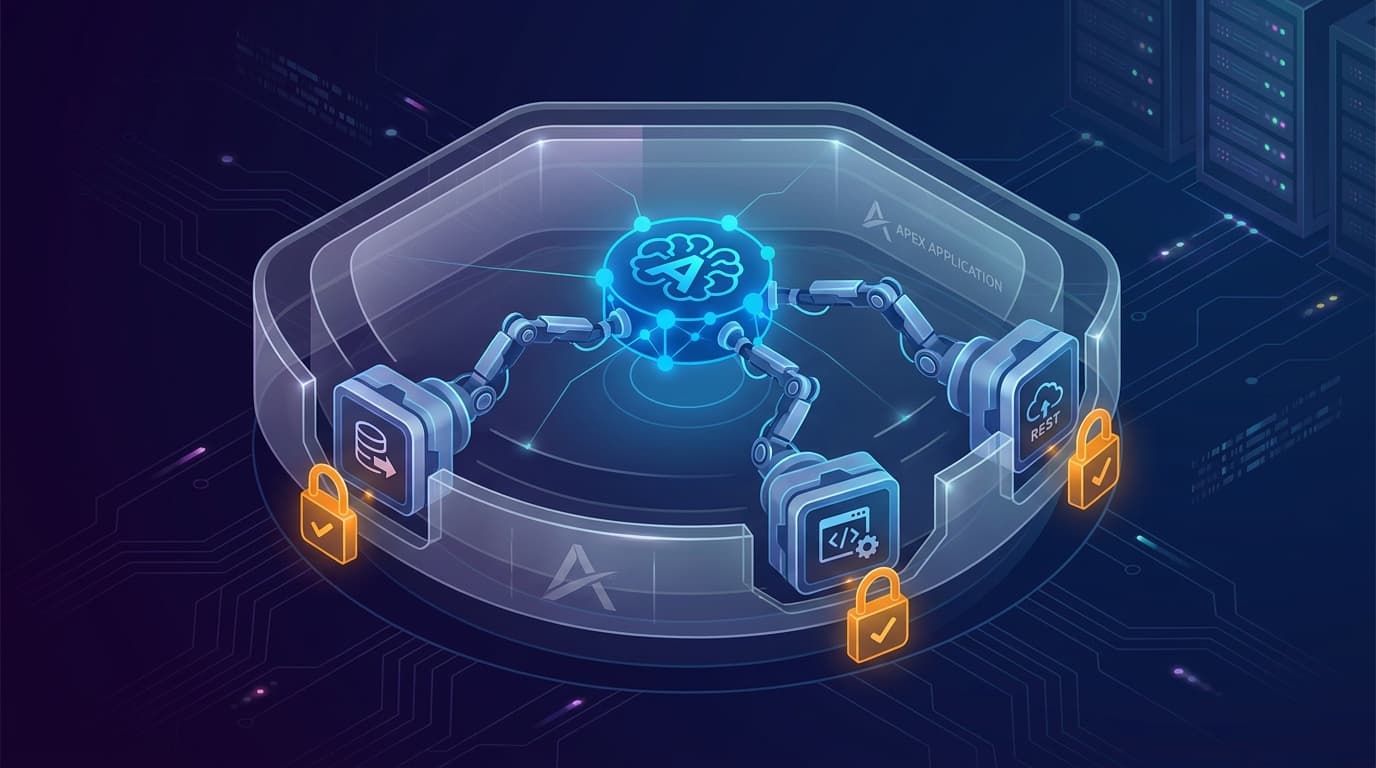
Agents that "have access to your database" are a security review failure. APEX 26.1 inverts the model: agents can only call the named tools you registered. Here is what to actually build.

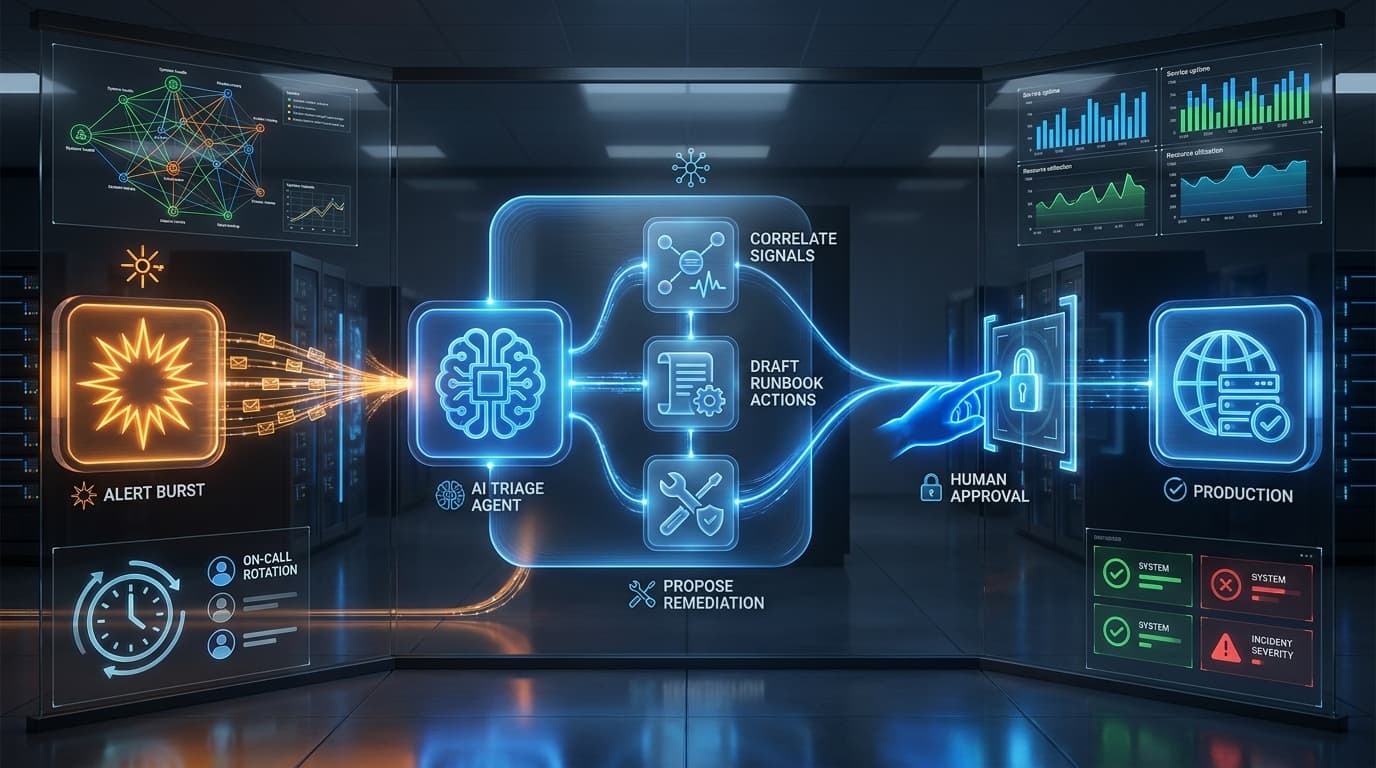
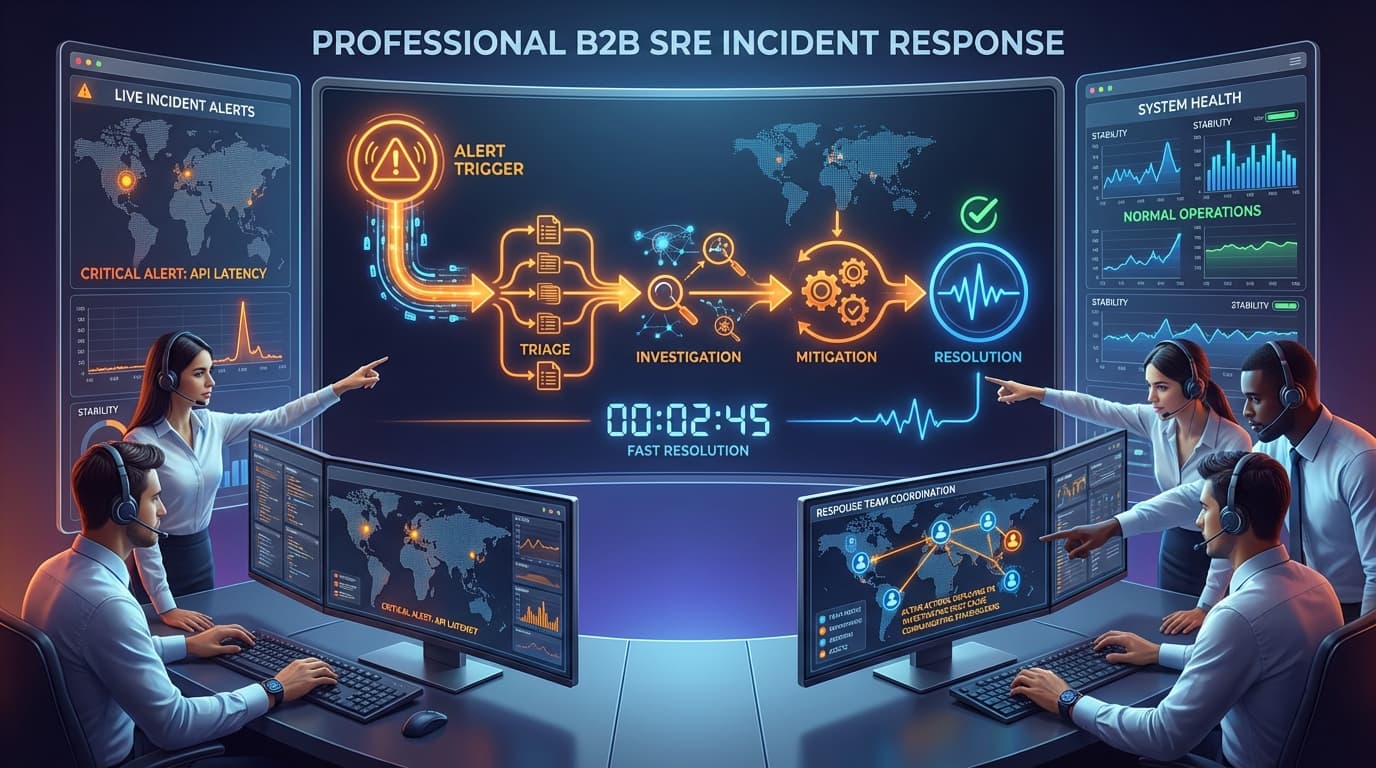
Most incident response processes are designed for auditors, not engineers. Here is how to build a system that actually reduces downtime.

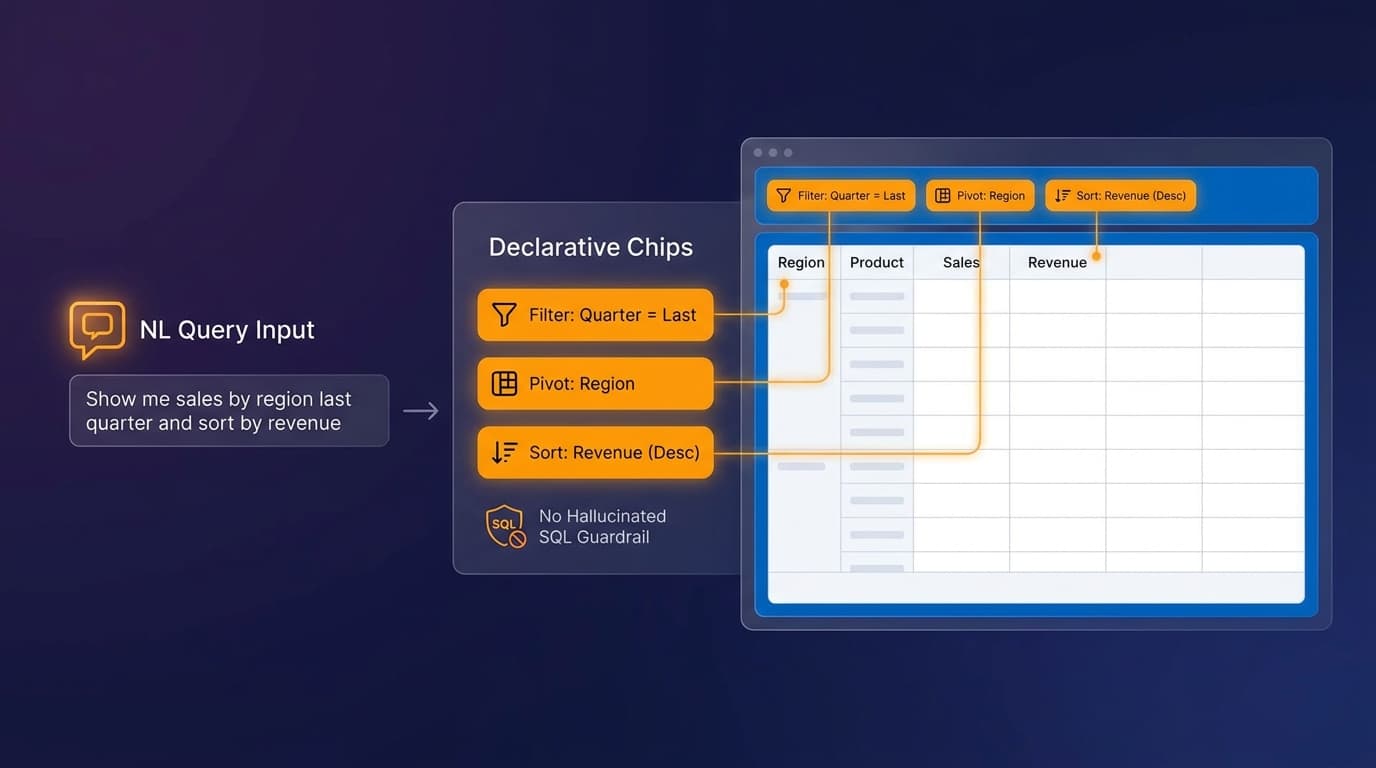
Most "ask your data" features generate SQL and hope. Oracle generates report settings and shows them as editable chips. The architectural difference matters.

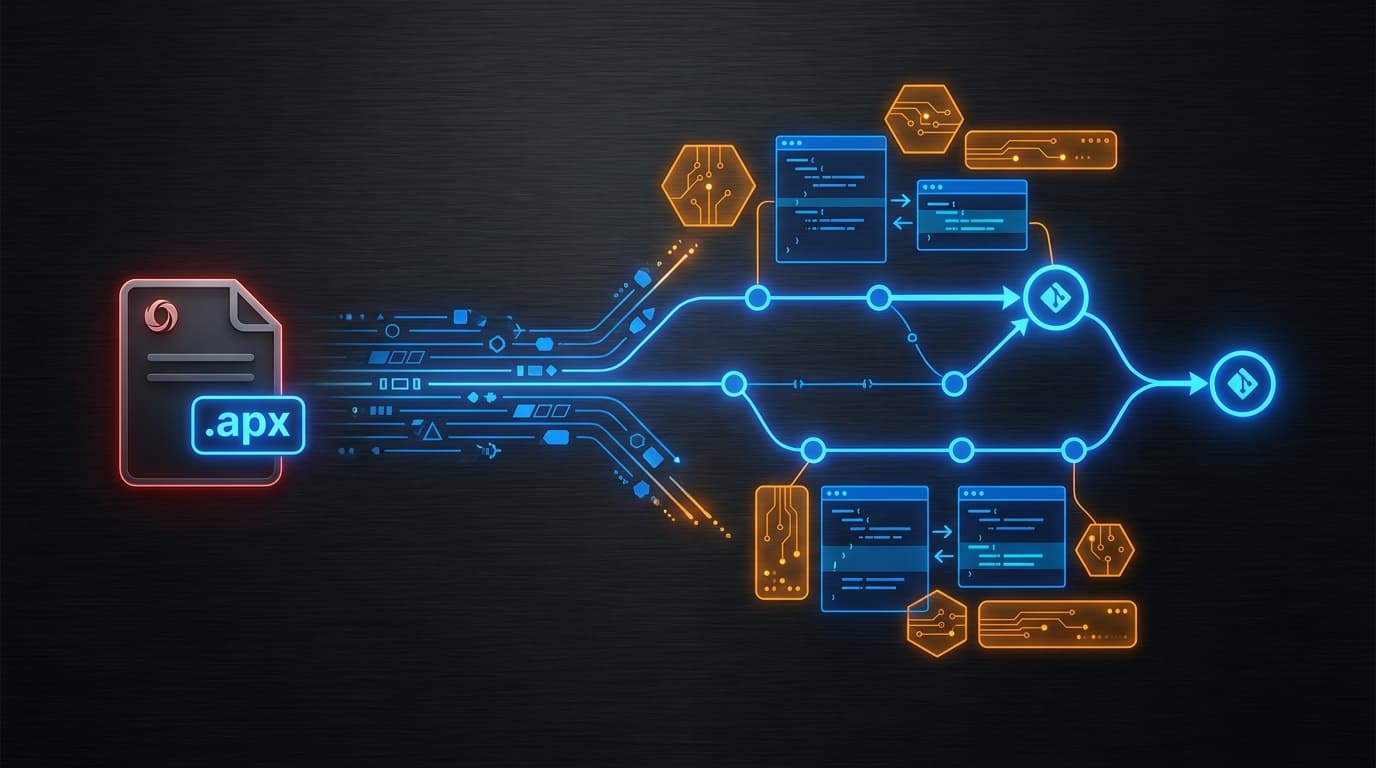
Two decades of awkward exports, gone. APEXlang turns APEX applications into structured .apx files that diff, merge and review like normal source code.

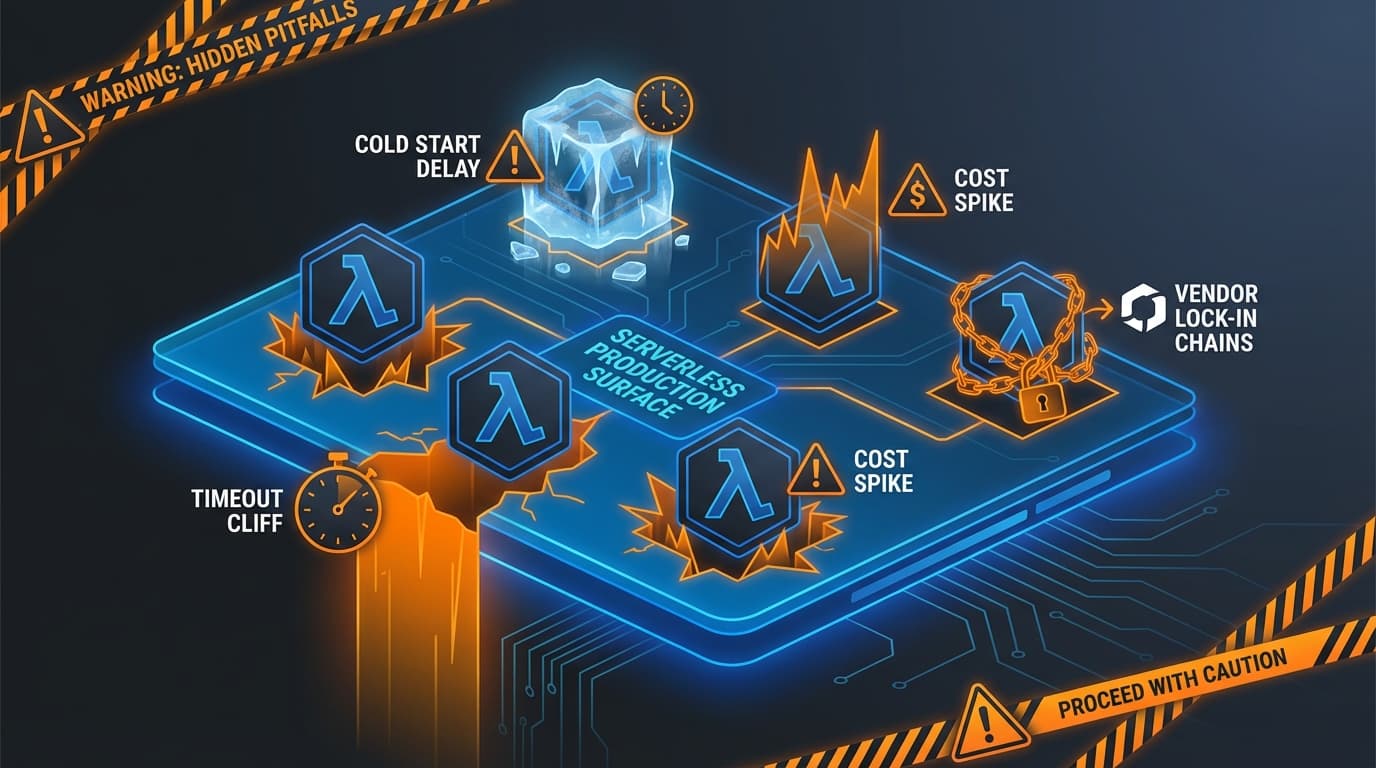
Serverless promises simplicity, but production tells a different story. These seven pitfalls catch even experienced teams—learn them before they cost you.

APEXlang, AI Interactive Reports, AI Agents — and a sharp swipe at "vibe coding". Why 26.1 is the most consequential APEX release in years for DACH enterprises.

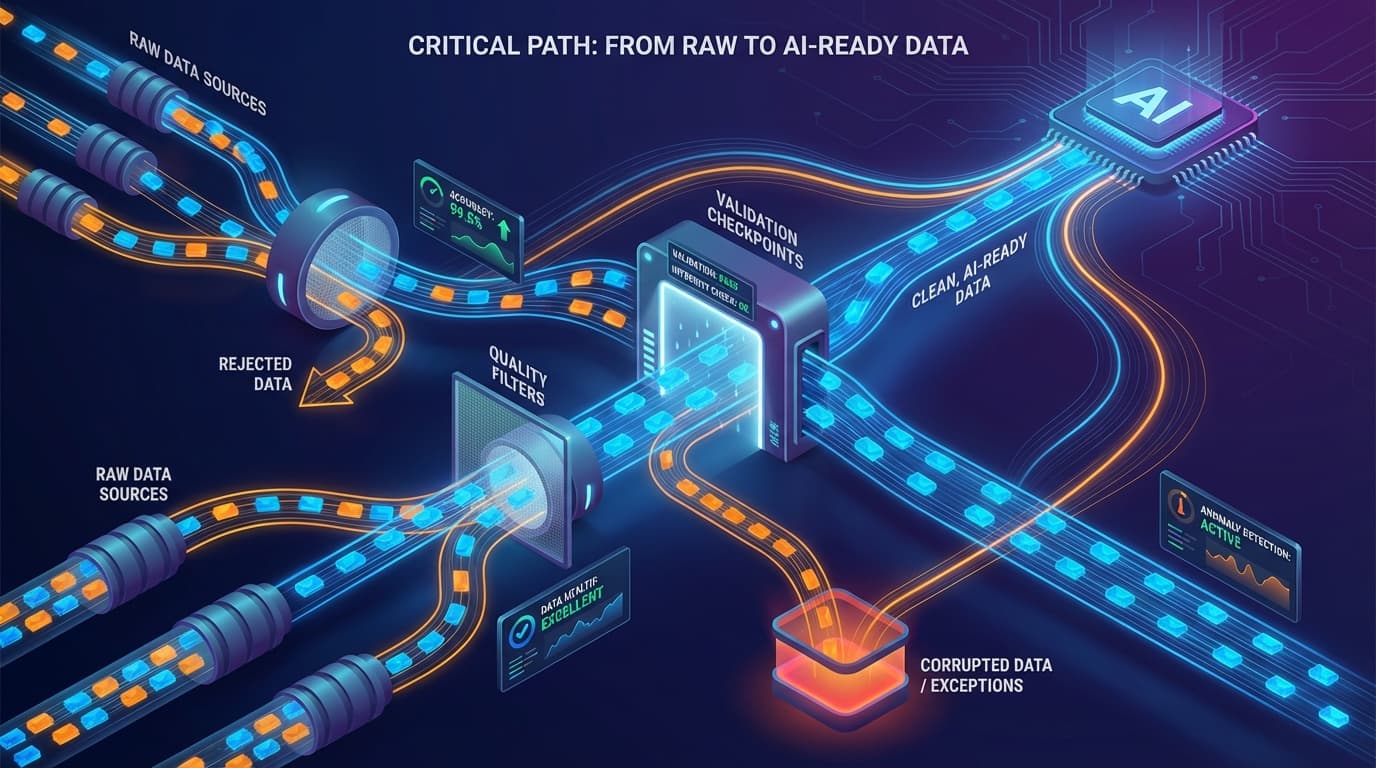
Most AI projects fail not because of bad models, but bad data. Here is the practical checklist we use to assess data readiness before any AI initiative.

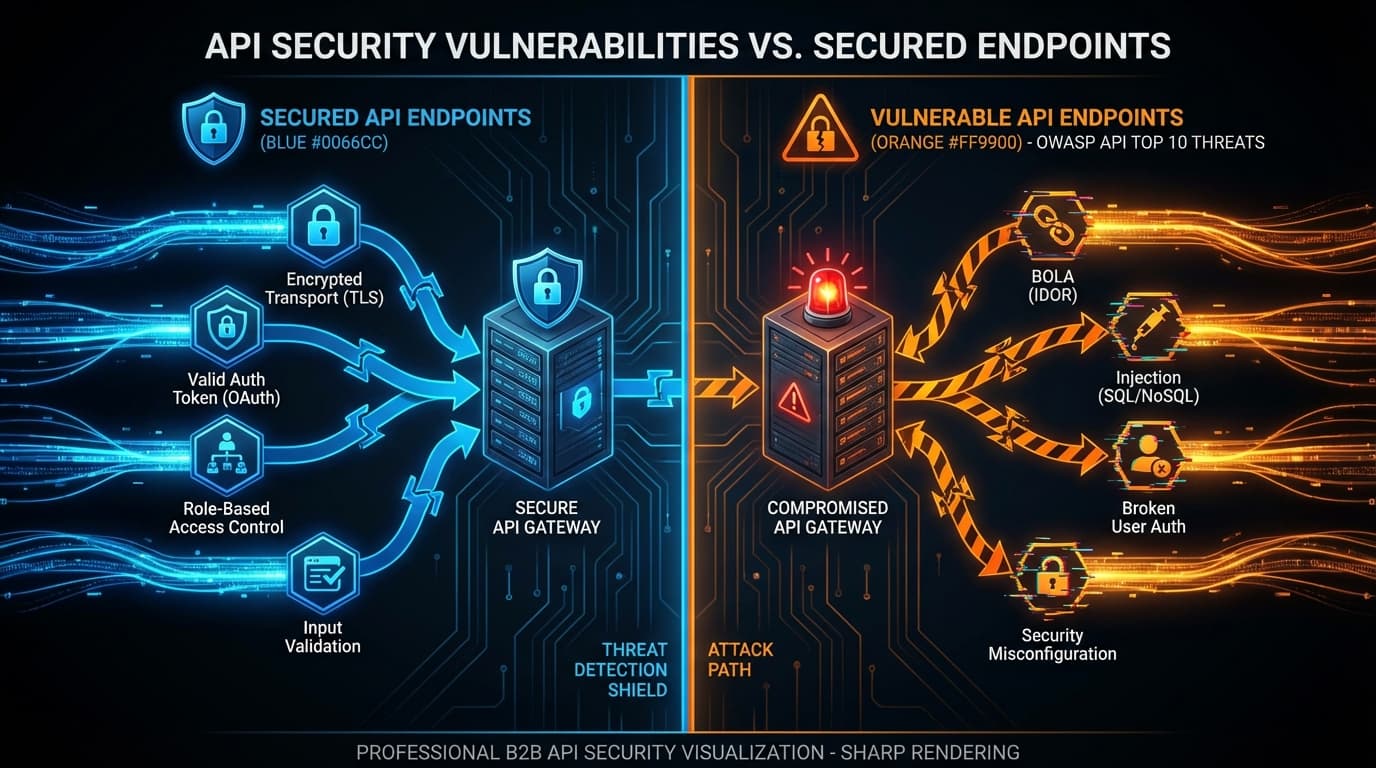
Most API security focuses on authentication. The real threats go much deeper. Here's what you're missing.

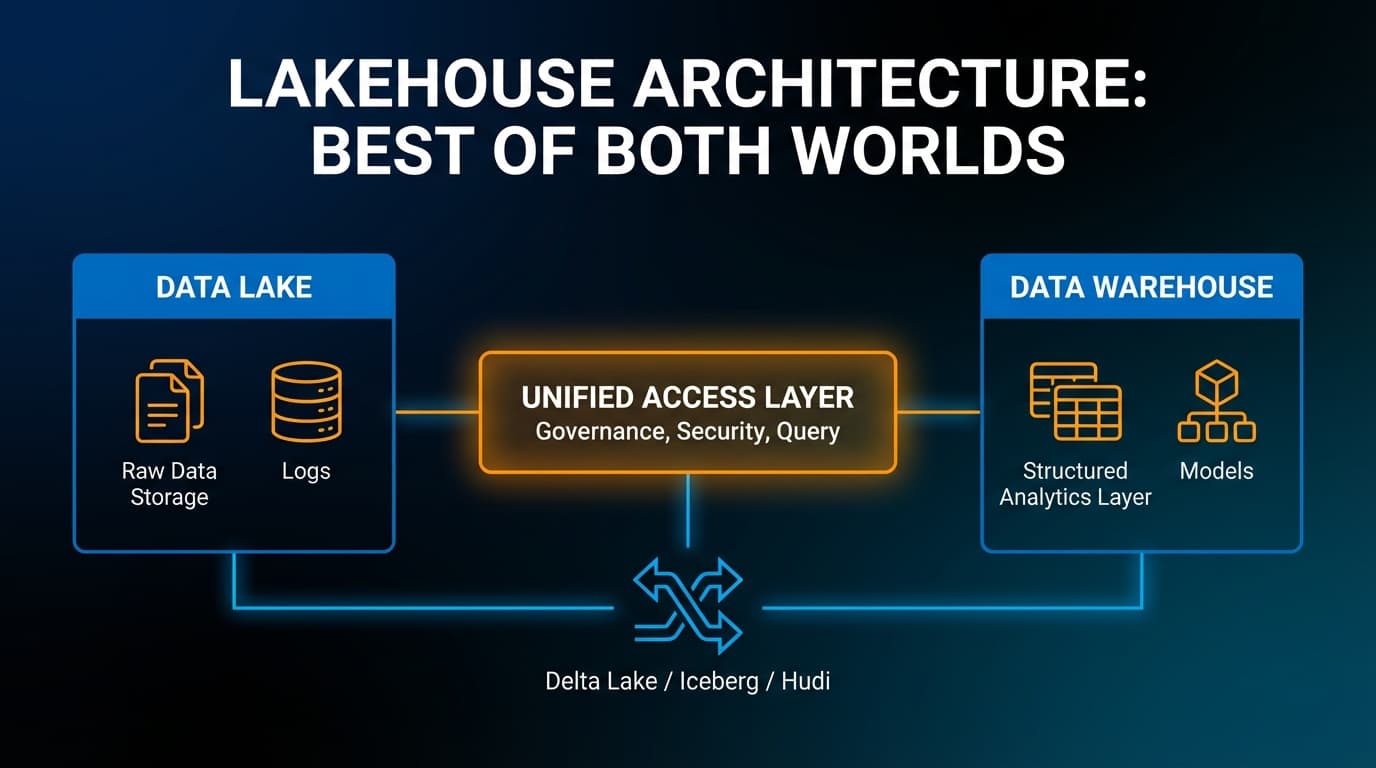
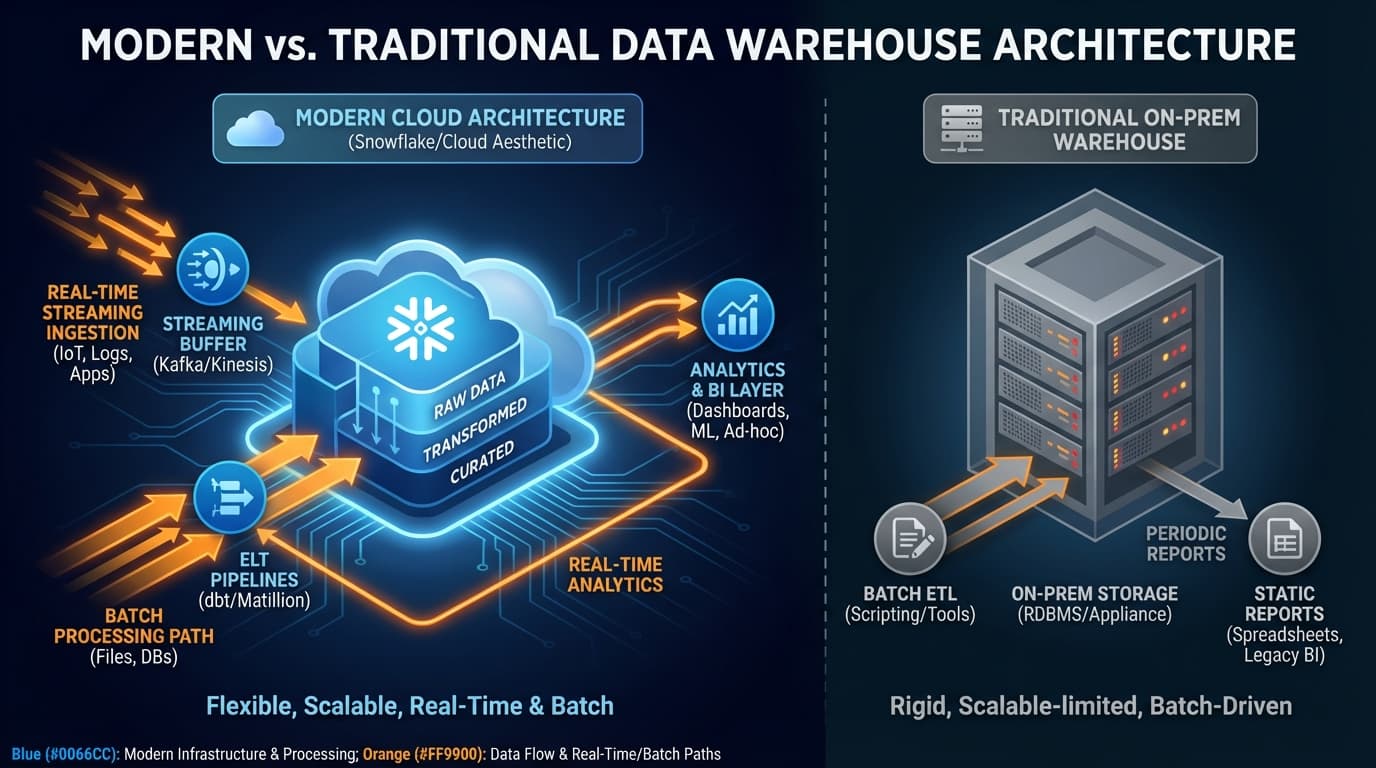
The data warehouse is not dead, but it has evolved dramatically. Here is how modern architectures combine the best of warehouses, lakes, and streaming for enterprise analytics.

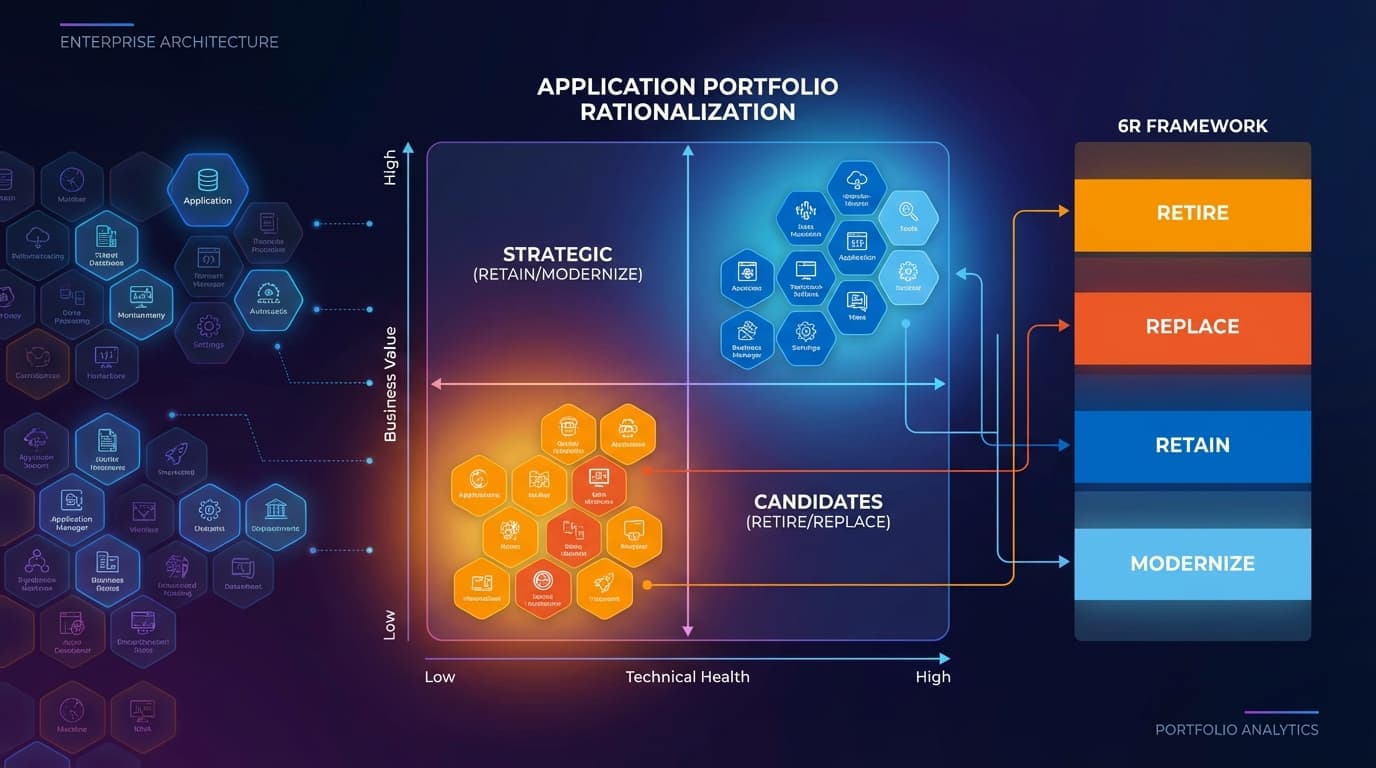
Most enterprises have 3x more applications than they need. Here is the systematic framework to rationalize your portfolio and cut costs without cutting capabilities.

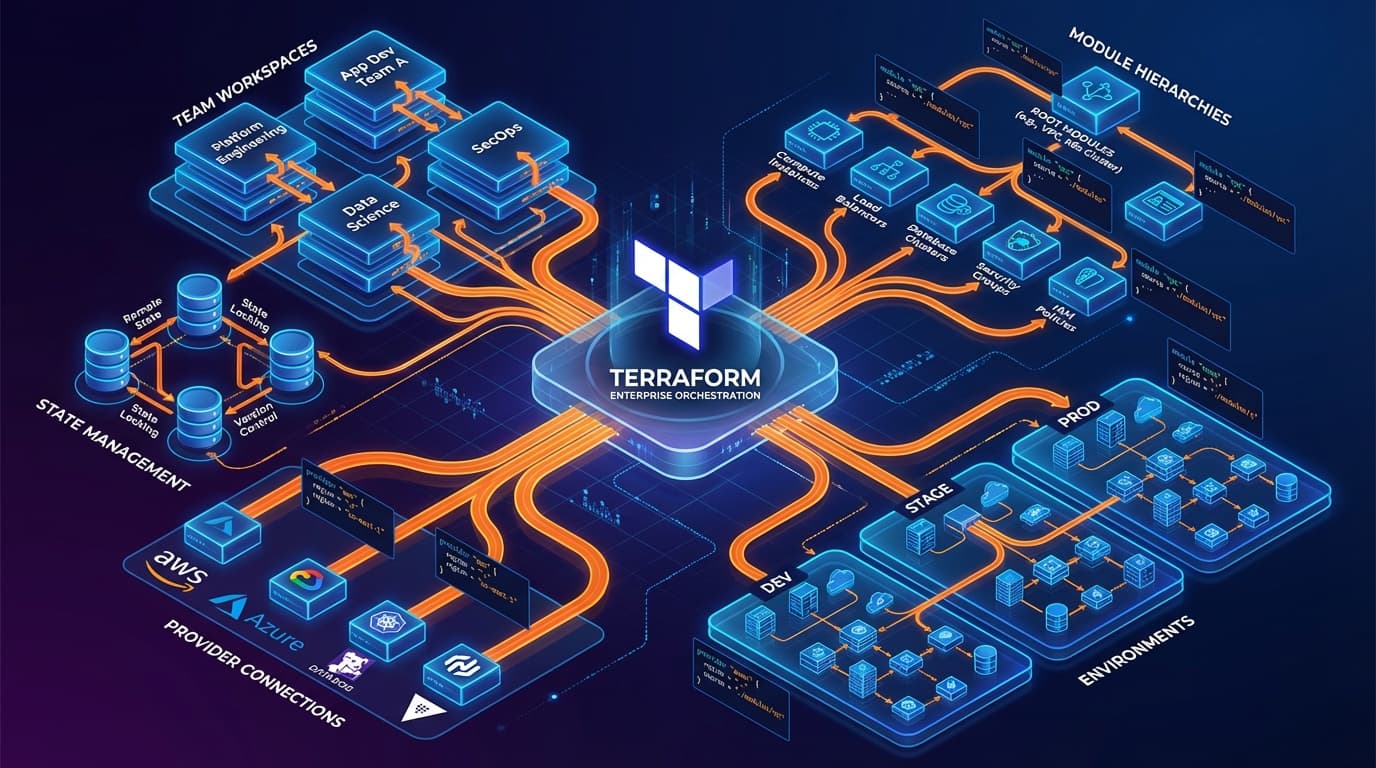
Your Terraform worked great for one team. Now you have ten teams and a state file nightmare. Here are the patterns that actually scale.

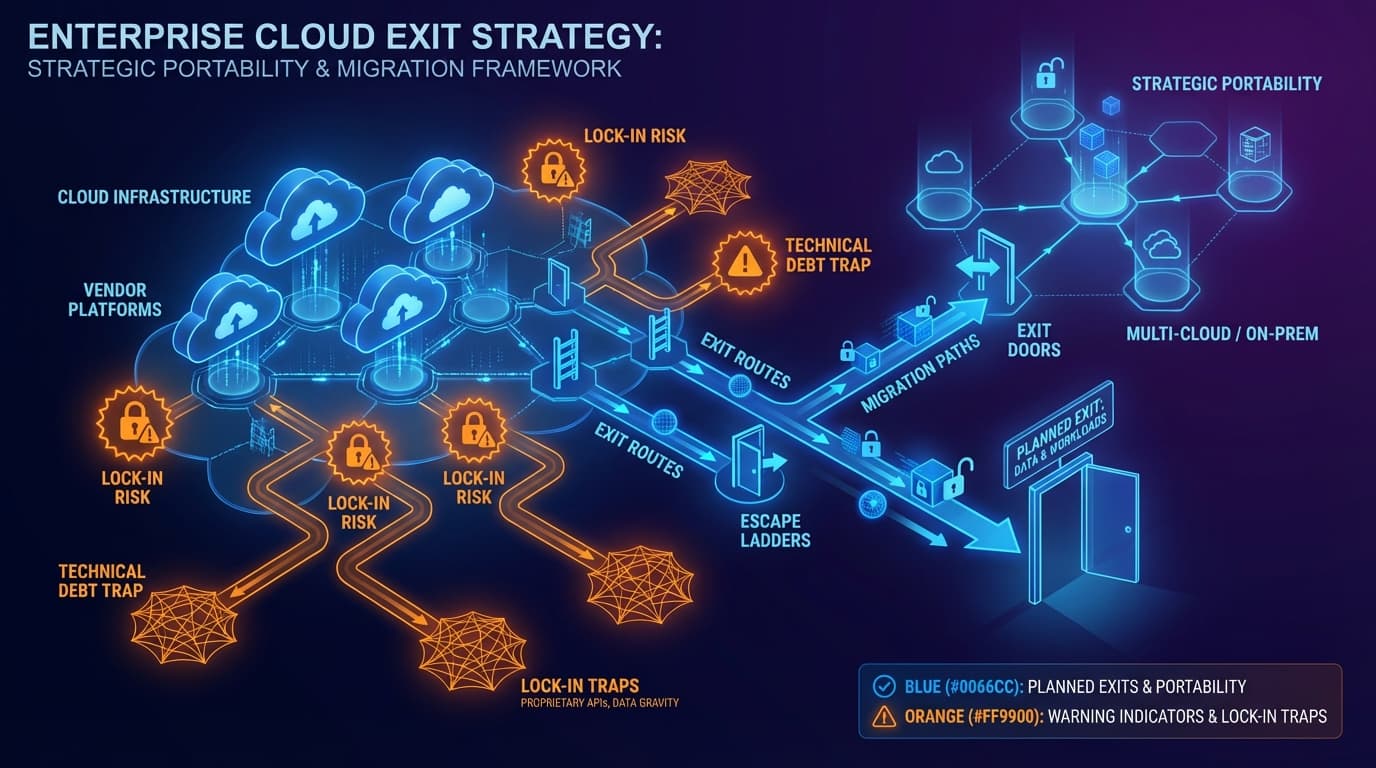
Cloud vendors want you in, not out. But smart enterprises plan their exit before signing. Here is how to maintain leverage and avoid becoming a hostage to your cloud provider.

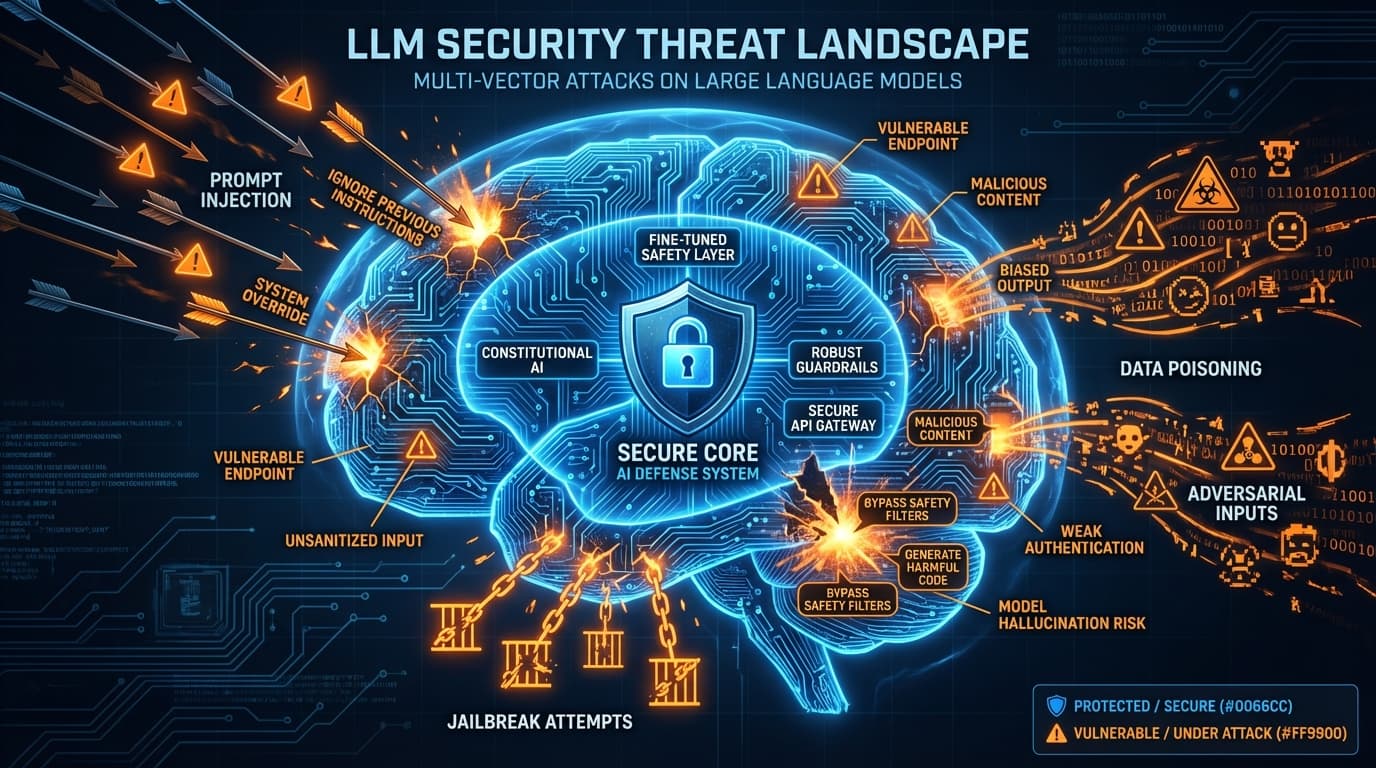
Your shiny new AI chatbot might be your biggest security hole. These are the LLM vulnerabilities attackers are actively exploiting—and how to defend against them.

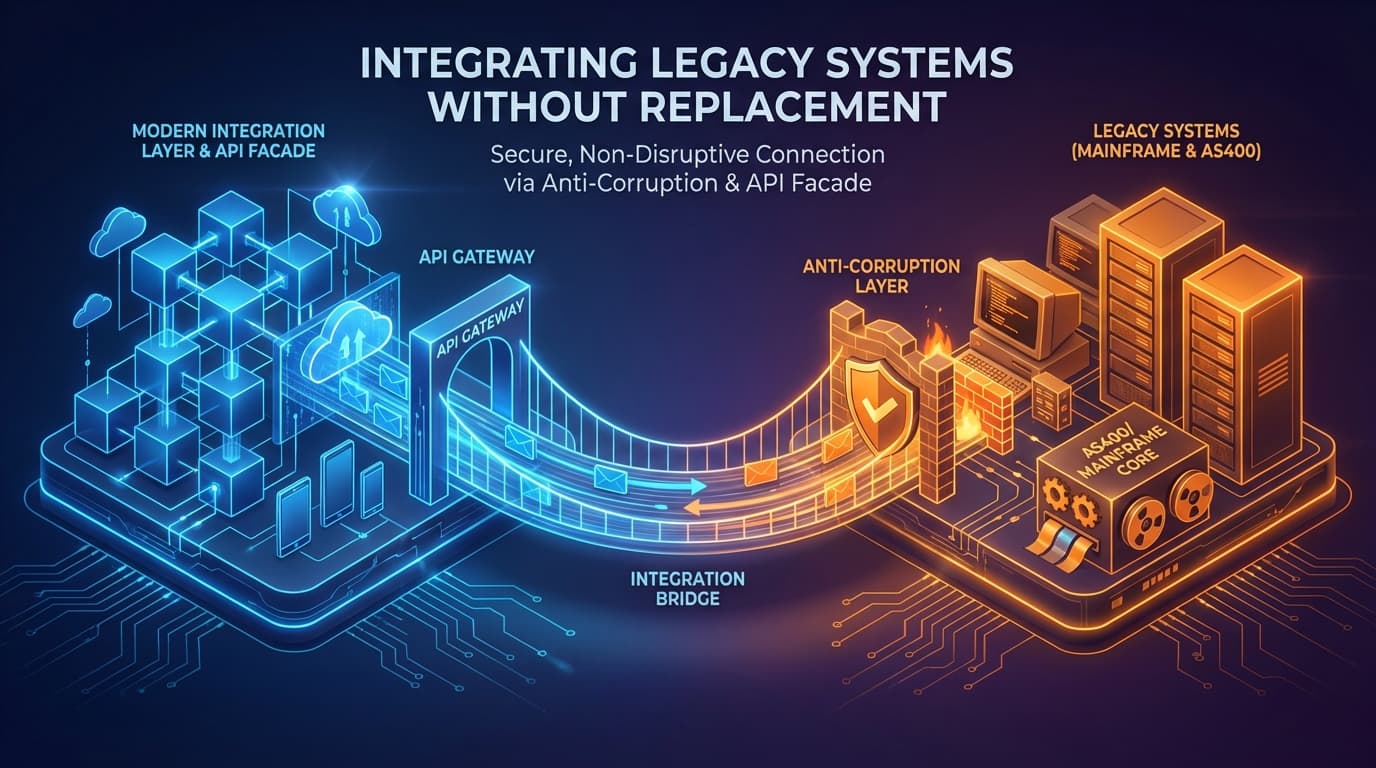
Practical strategies for connecting modern applications to legacy systems when replacement isn't an option.

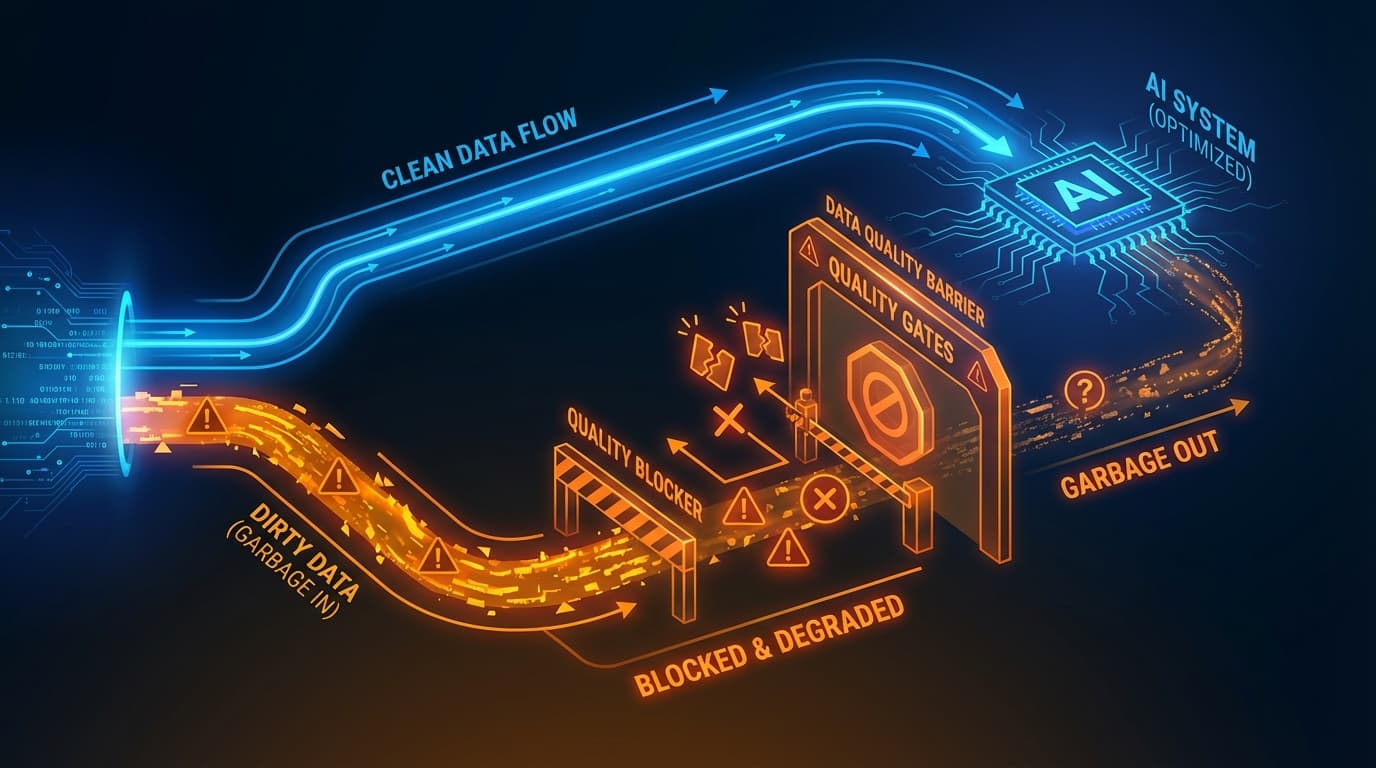
AI models are only as good as the data they learn from. Here is why most enterprise AI projects stumble on data quality, and a practical approach to fixing it.

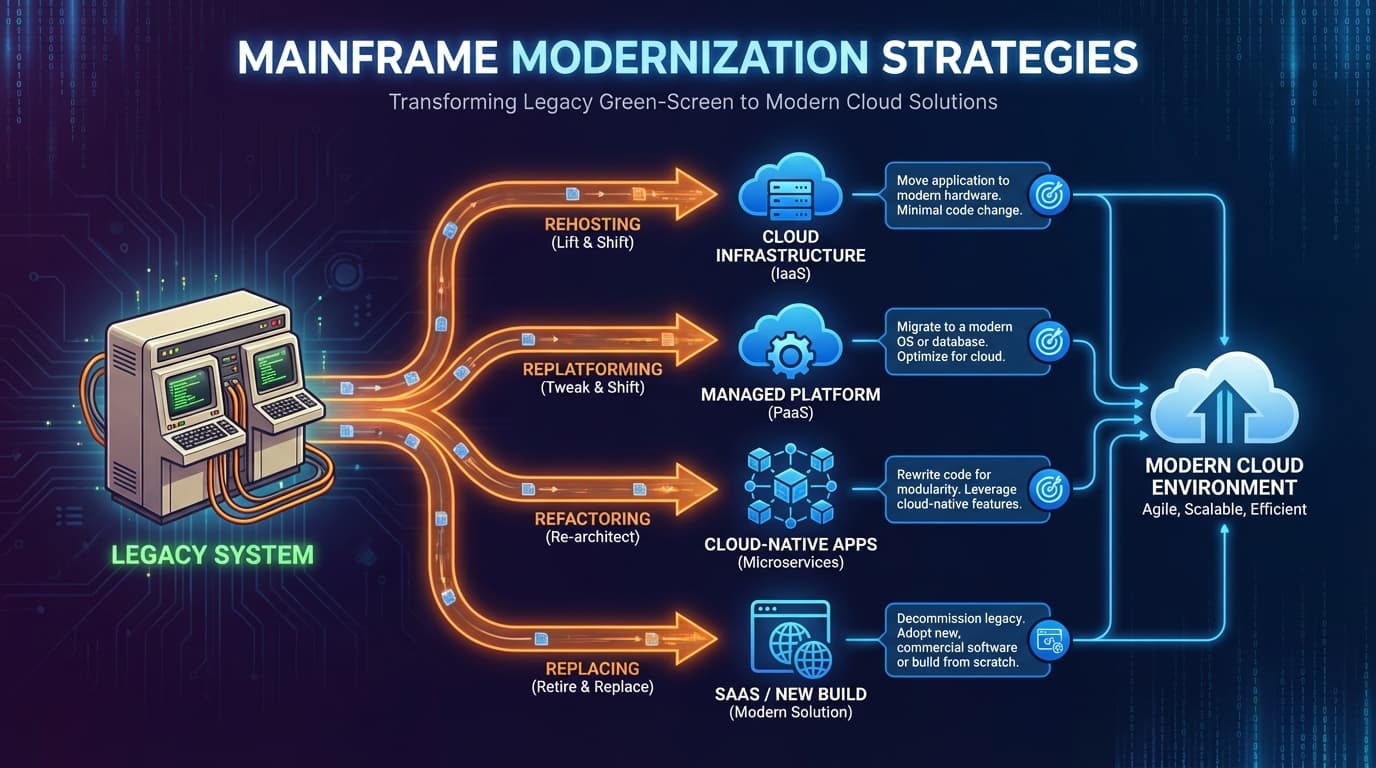
Your mainframe still runs critical workloads. Here are the real modernization options—from rehosting to refactoring—and how to choose the right one.

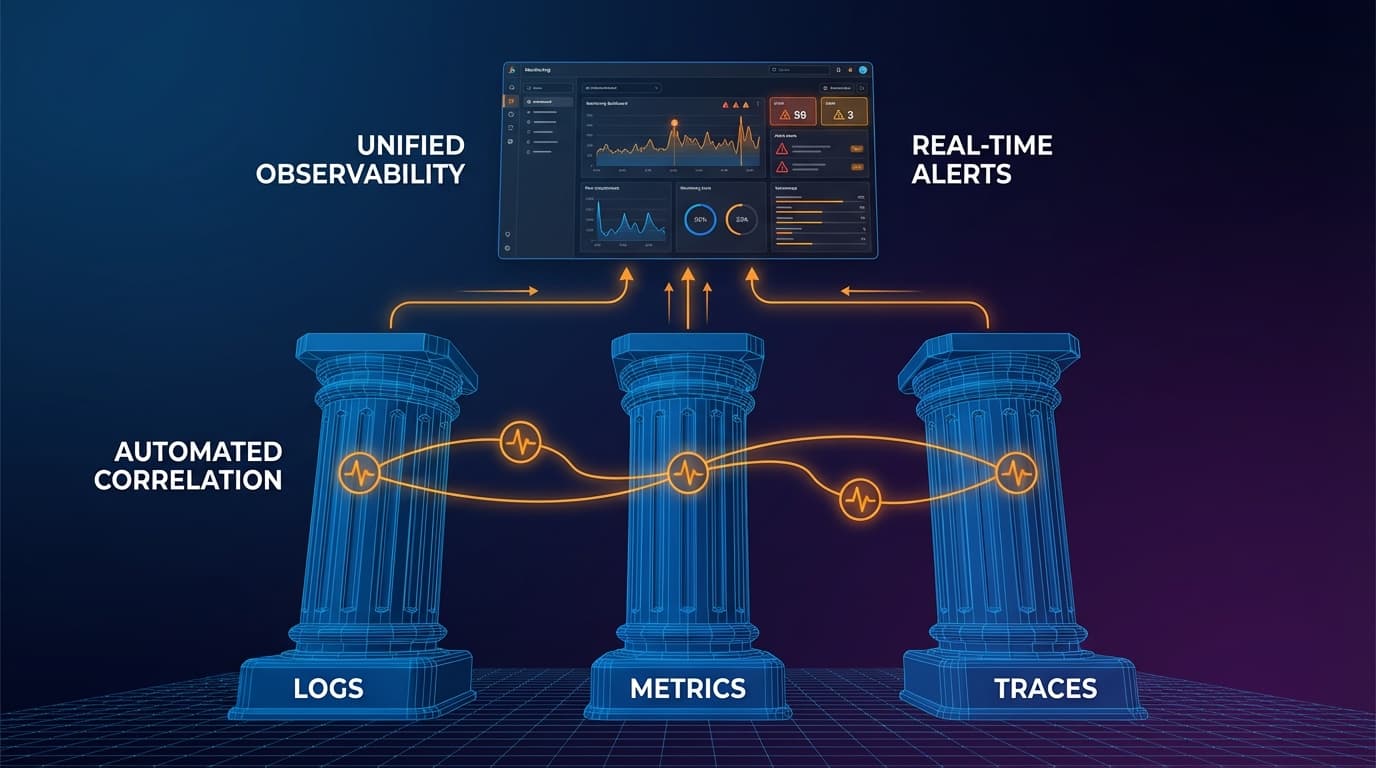
Monitoring tells you something is broken. Observability tells you why. Here is how leading teams build systems they can actually understand.

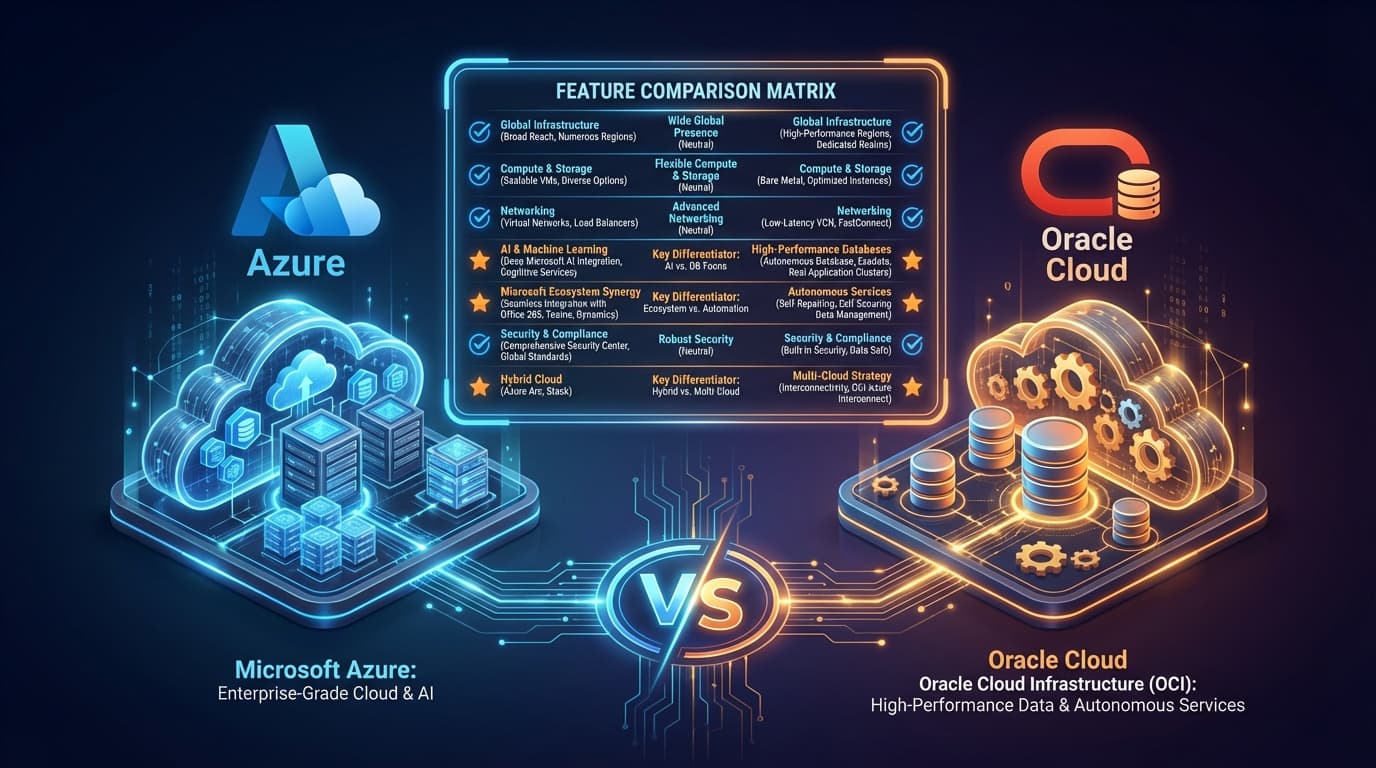
Beyond the marketing: a practical comparison of Azure and Oracle Cloud for enterprise workloads in the DACH region, covering costs, strengths, and hidden trade-offs.

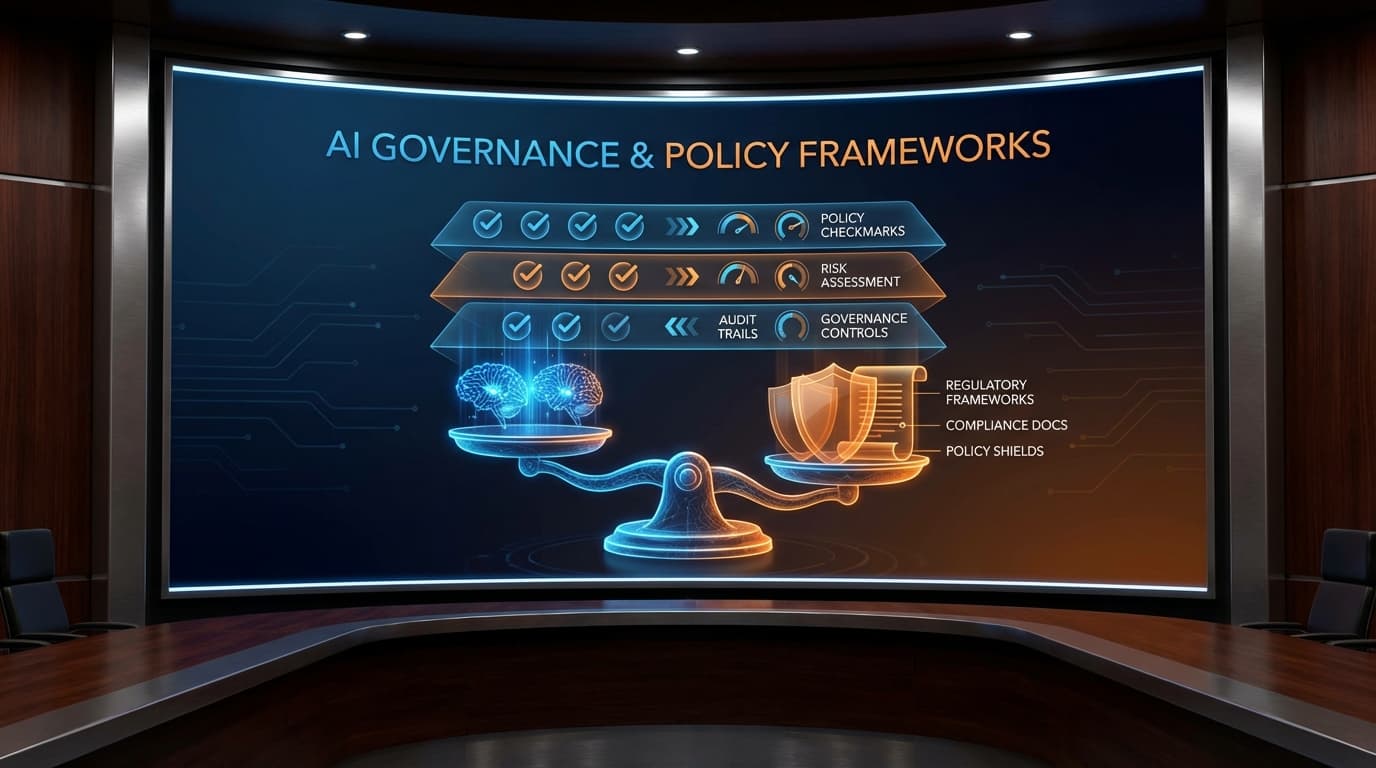
The EU AI Act is here. German works councils are asking questions. Here is the governance framework that keeps you compliant without killing innovation.

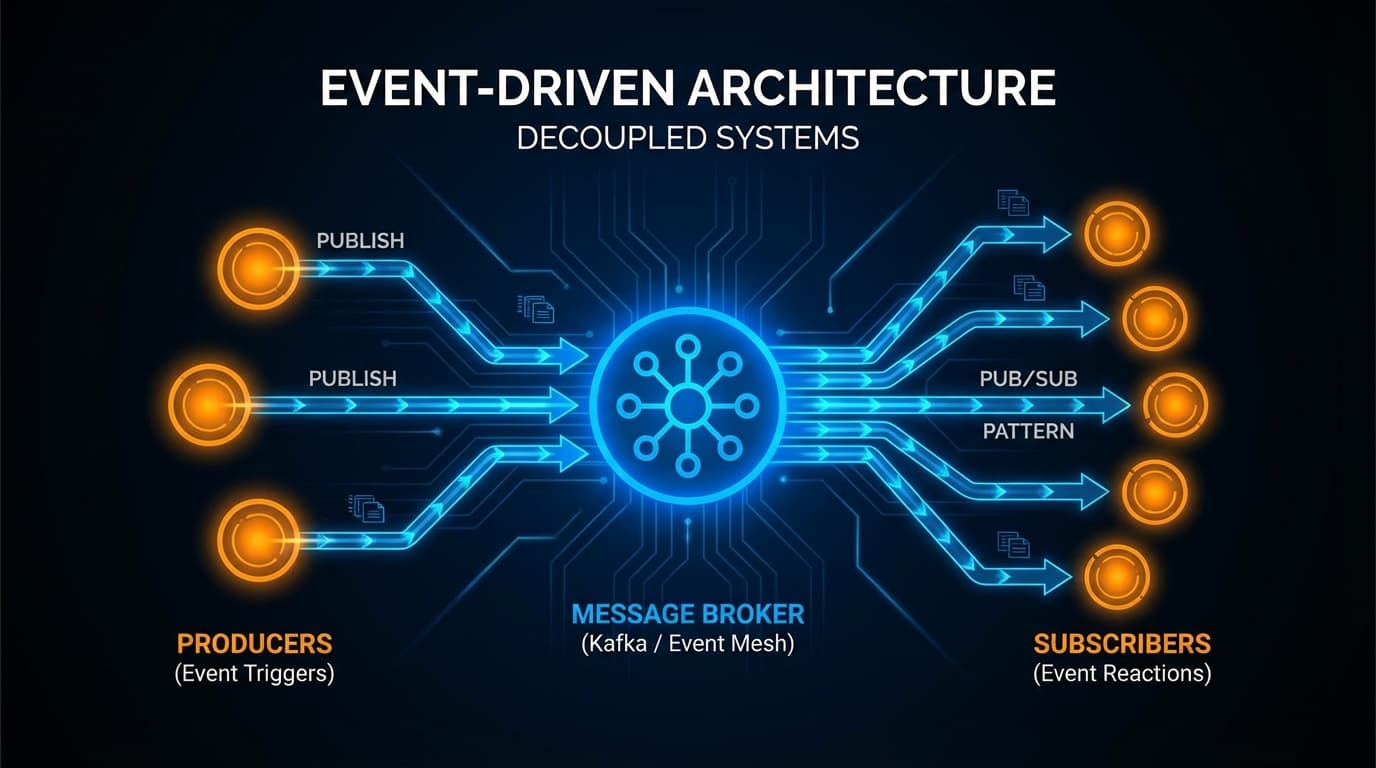
Why event-driven architecture is replacing traditional point-to-point integrations and how to make the transition successfully.

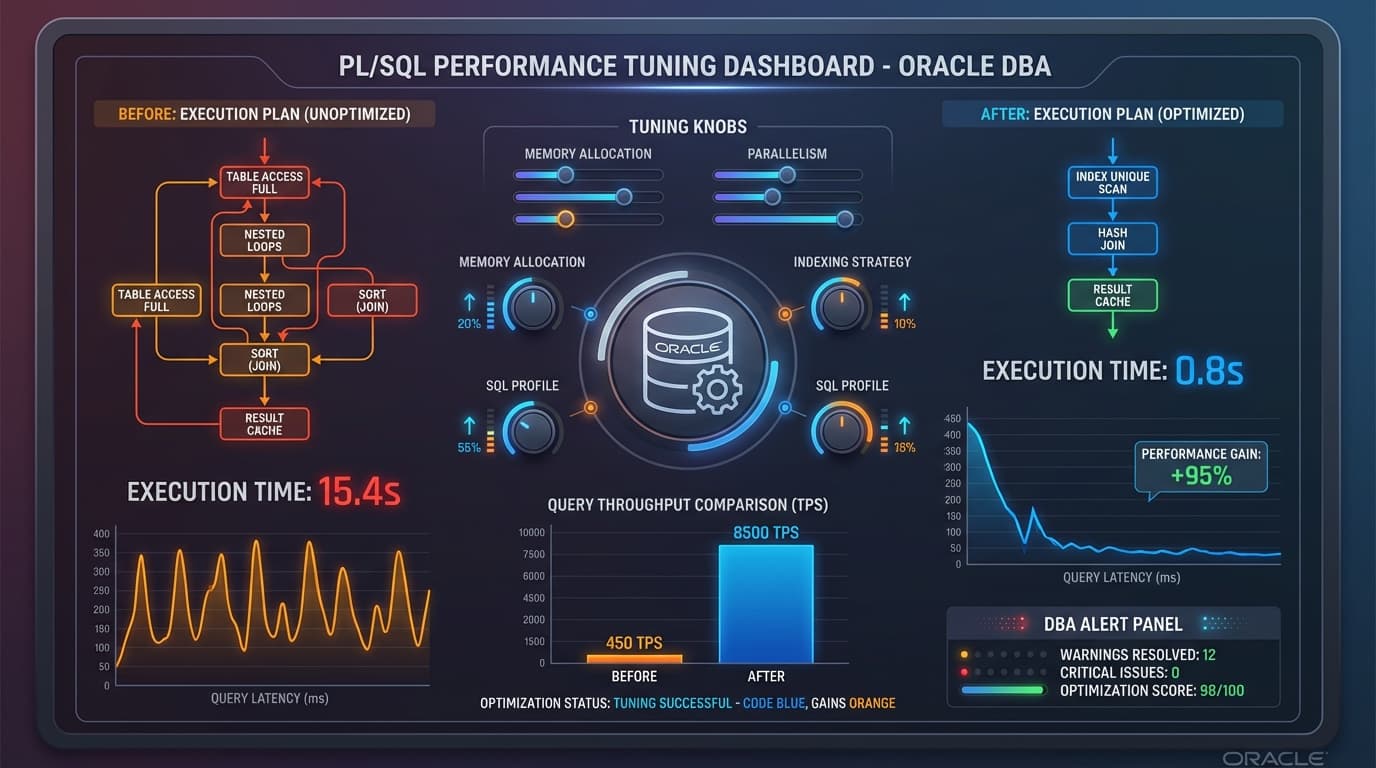
Skip the generic advice. These are the PL/SQL optimizations that make real differences in production Oracle databases, based on years of tuning enterprise systems.

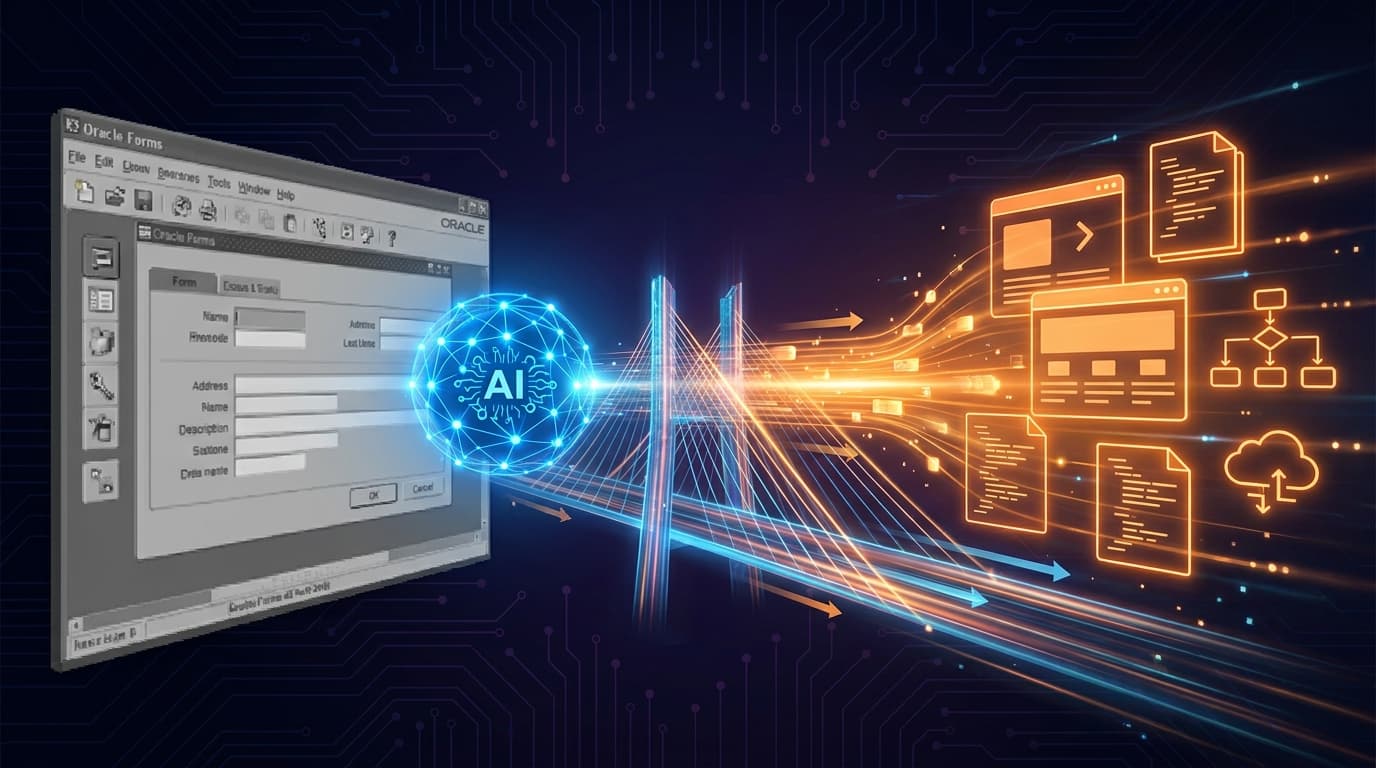
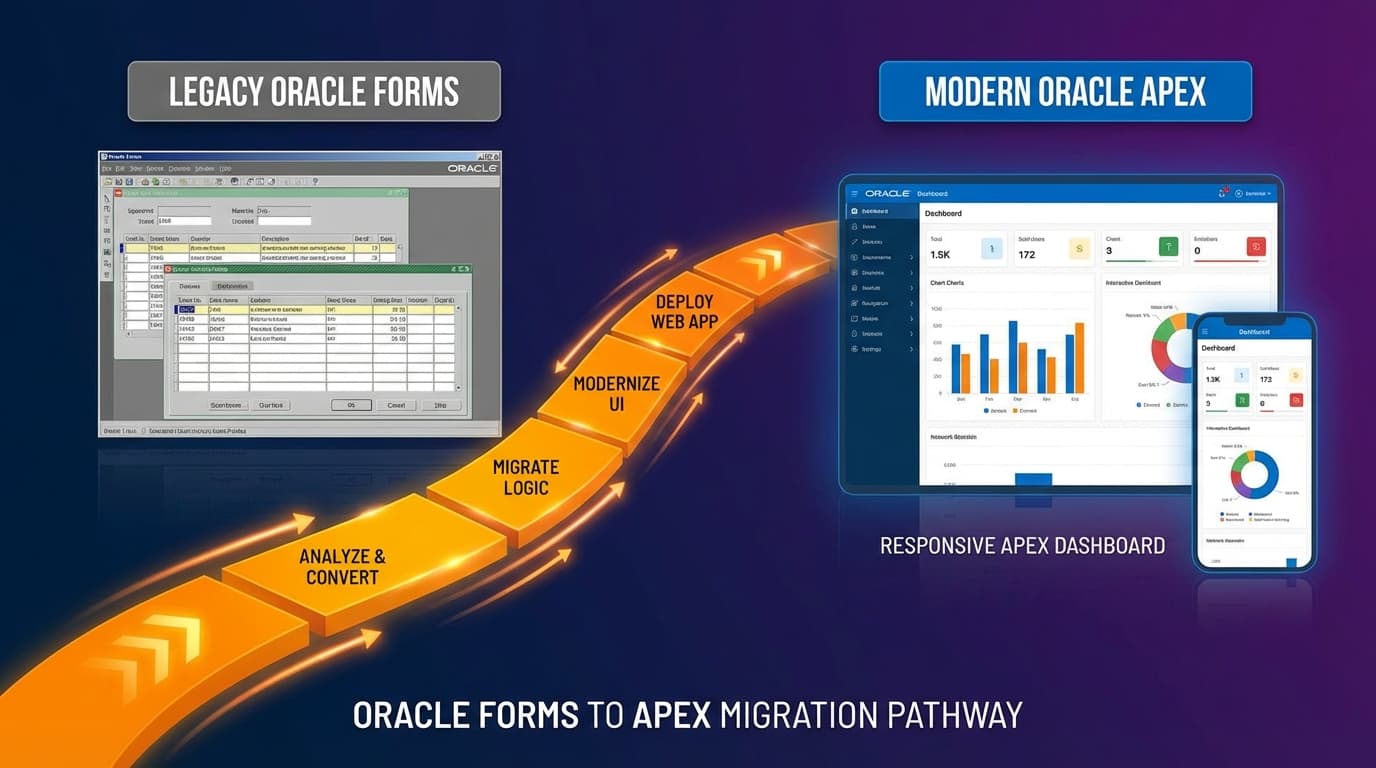
After 50+ Oracle Forms migrations, we know what separates success from disaster. Here is the proven methodology that preserves business logic while delivering modern web applications.

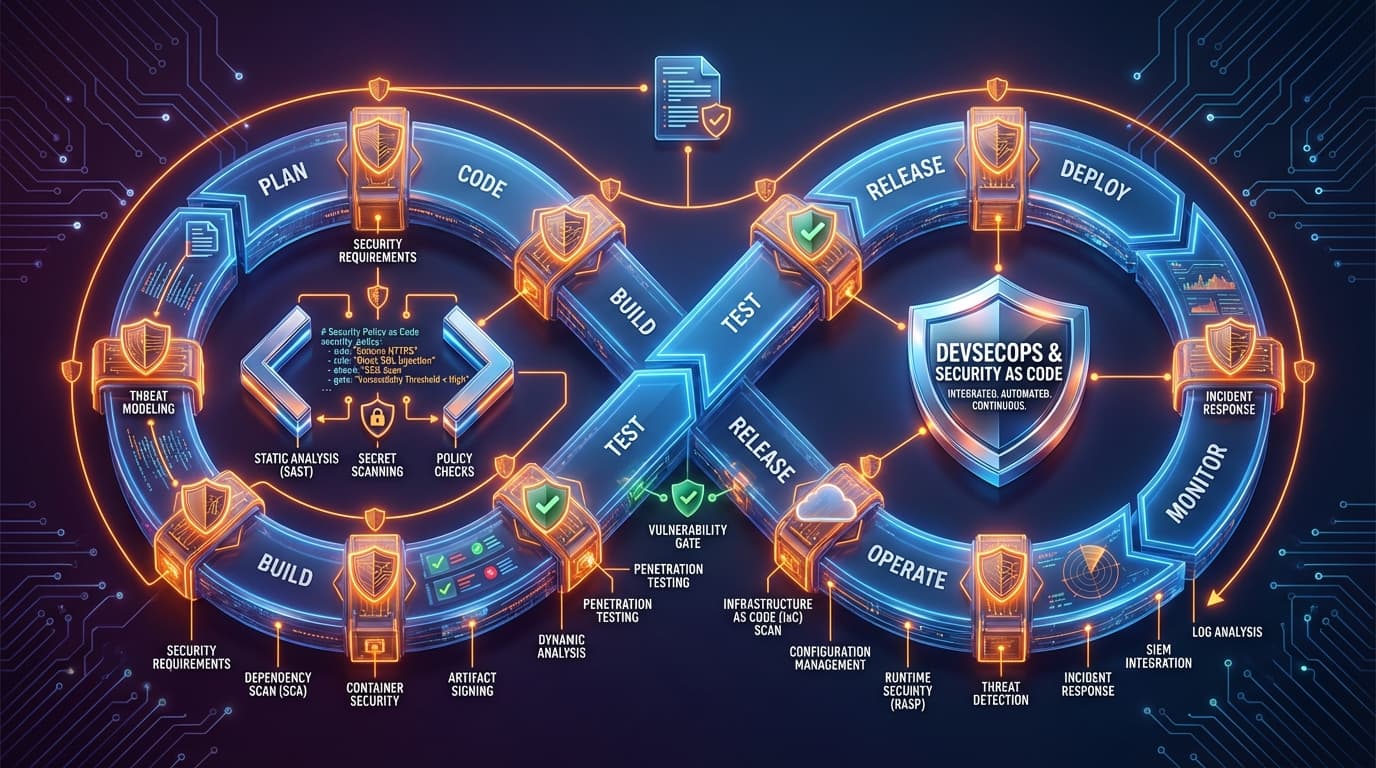
The enterprises winning at security have stopped treating it as a gate at the end of the pipeline. Here is how to shift left without slowing down.

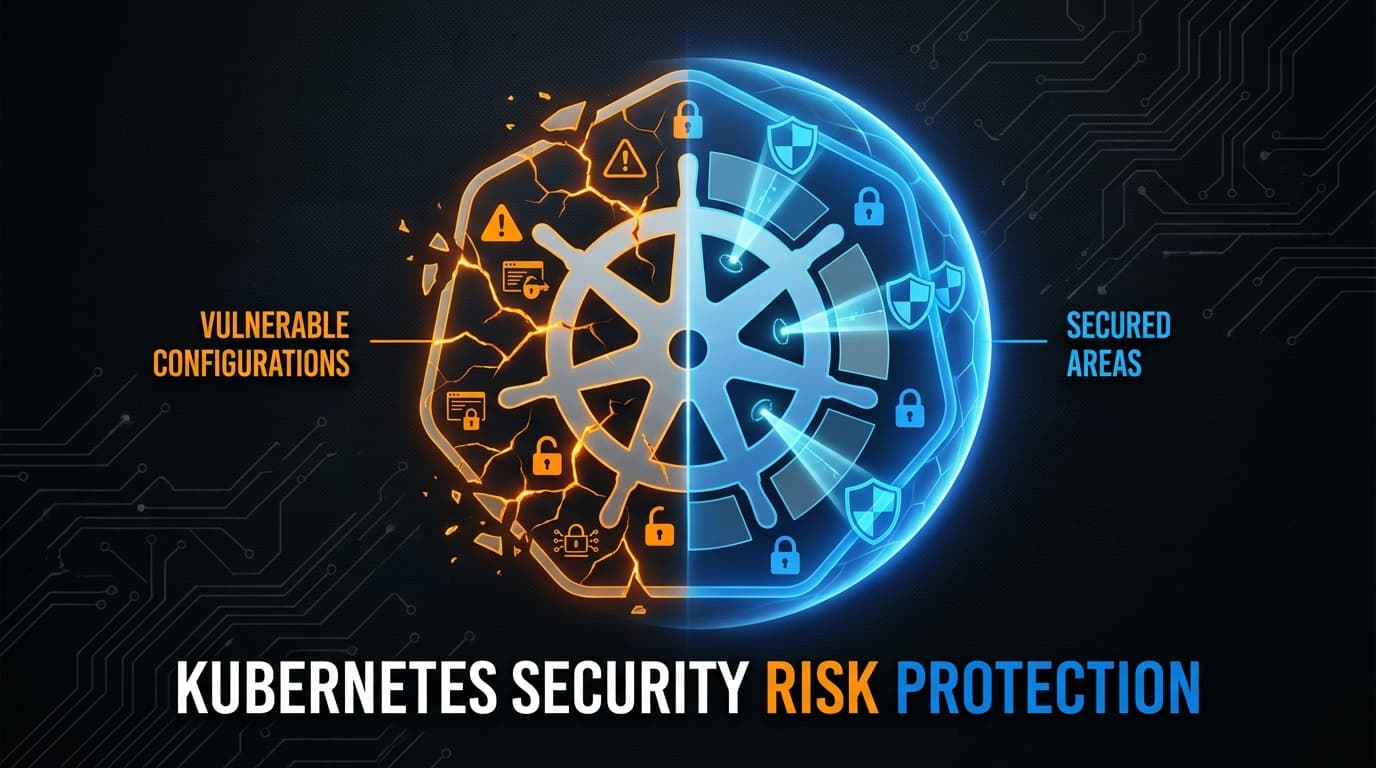
Kubernetes has become the de facto standard for container orchestration. But with power comes complexity—and security blind spots that attackers eagerly exploit.

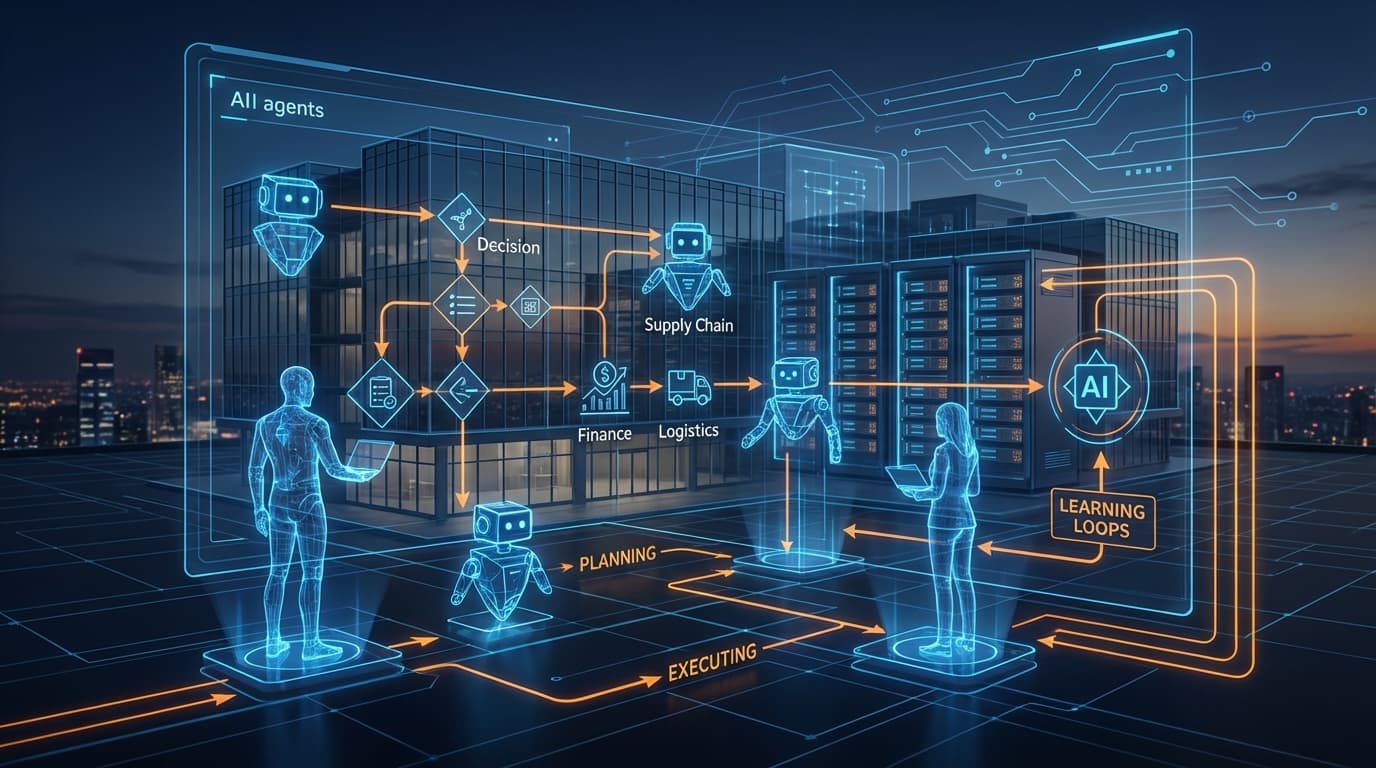
2025 was the year of AI chatbots. 2026 is the year of AI agents. The difference? Agents don't just respond—they plan, execute, and learn.

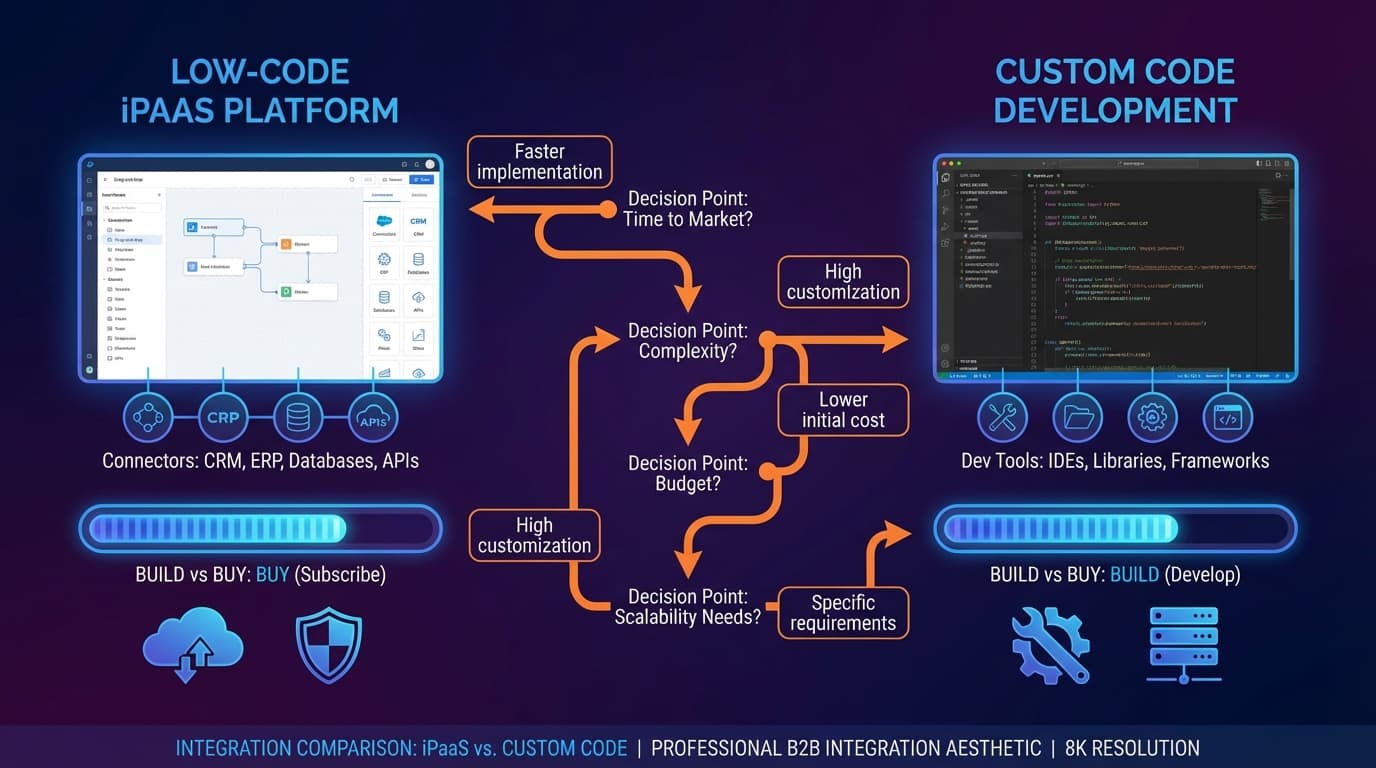
A practical framework for deciding between iPaaS platforms and custom-built integrations for your enterprise architecture.

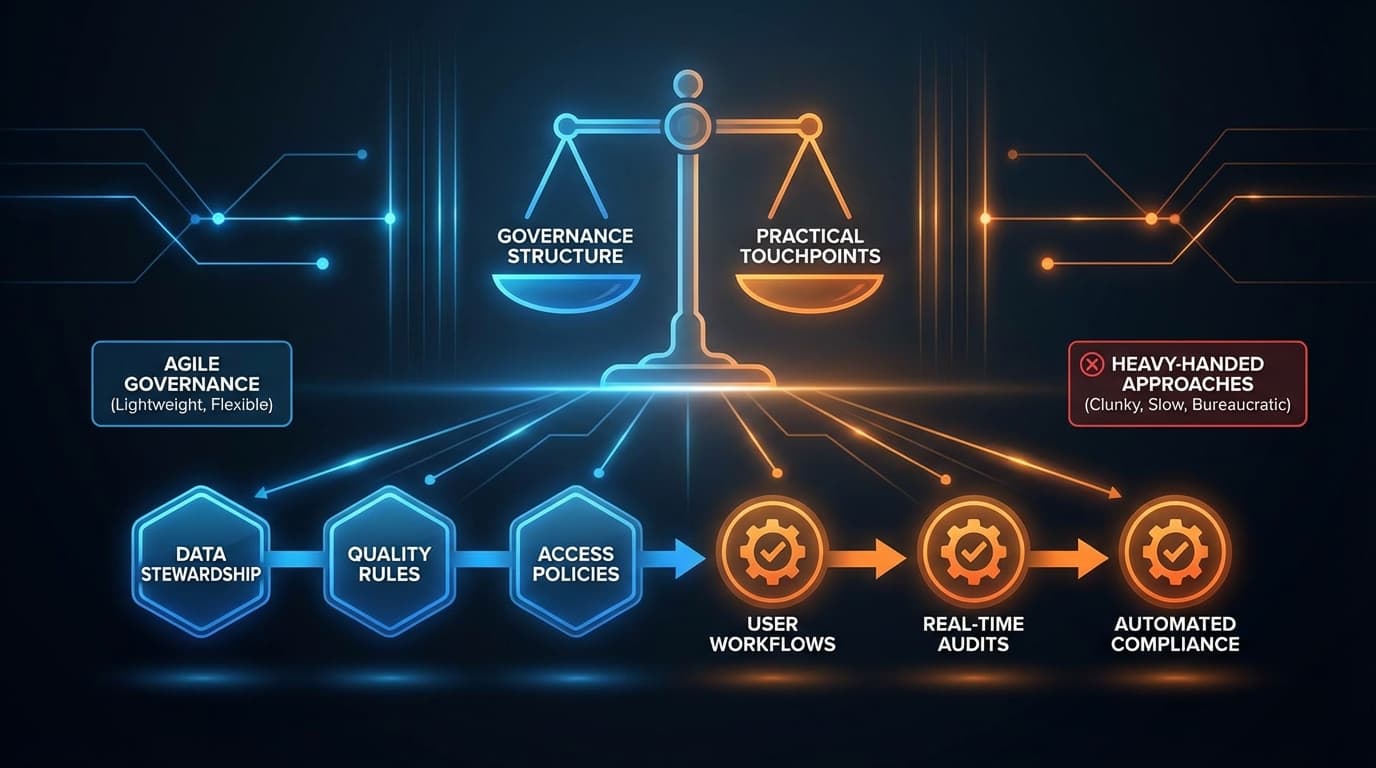
Data governance has a reputation problem. Here is how to implement governance that enables rather than obstructs, without building a bureaucratic nightmare.

Every CTO knows technical debt is expensive. But vague warnings don't secure budgets. Here's how to calculate the real cost and present a compelling business case.

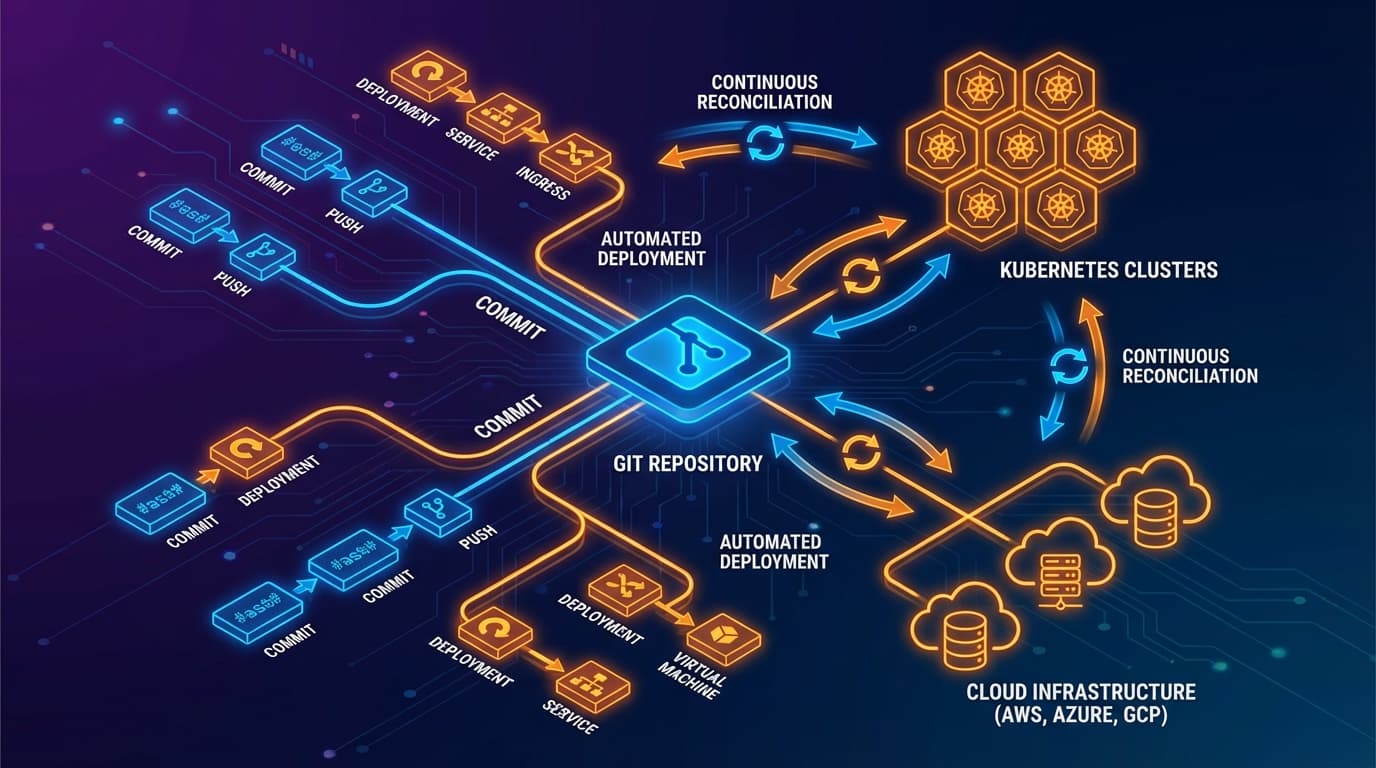
What if your infrastructure was defined in Git, automatically synced, and self-healing? GitOps makes this reality.

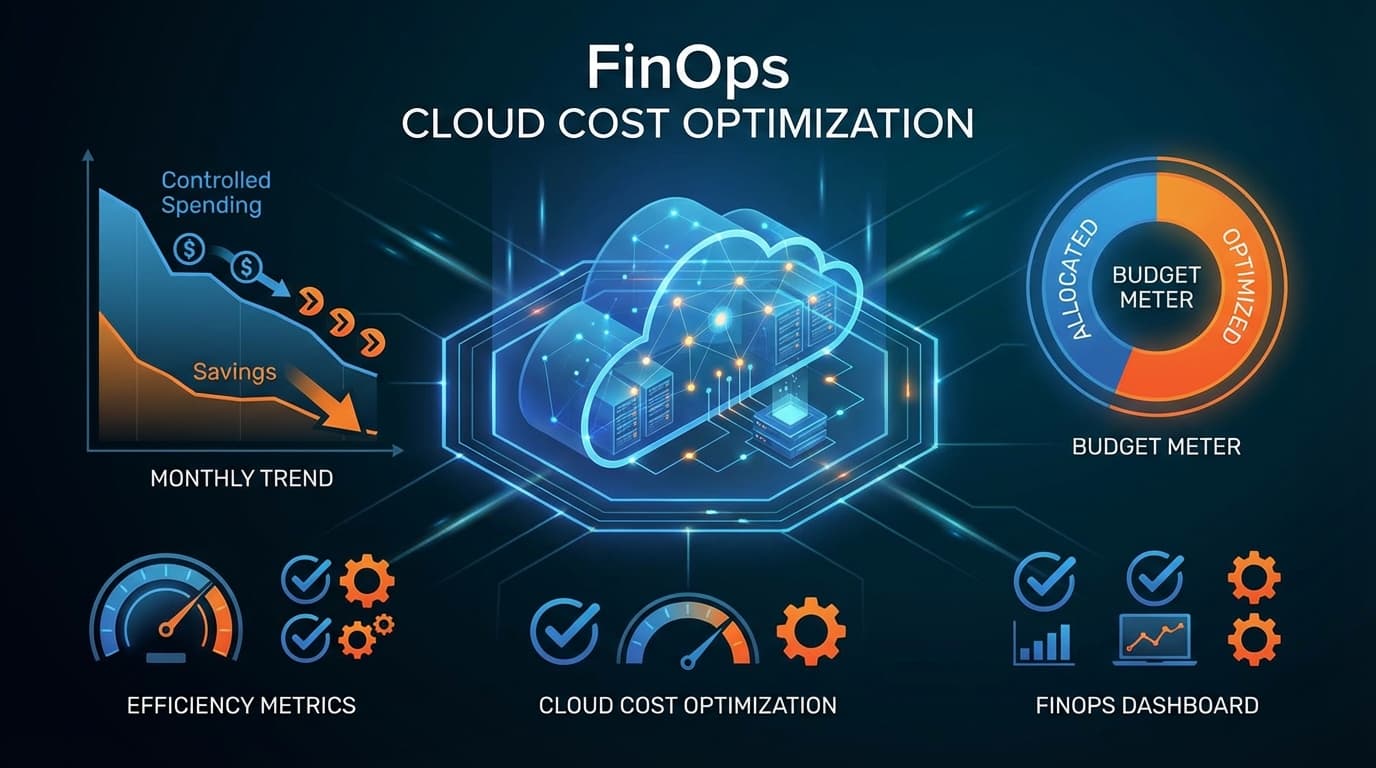
Cloud cost overruns are epidemic. FinOps combines people, processes, and tools to bring financial accountability to cloud spending.

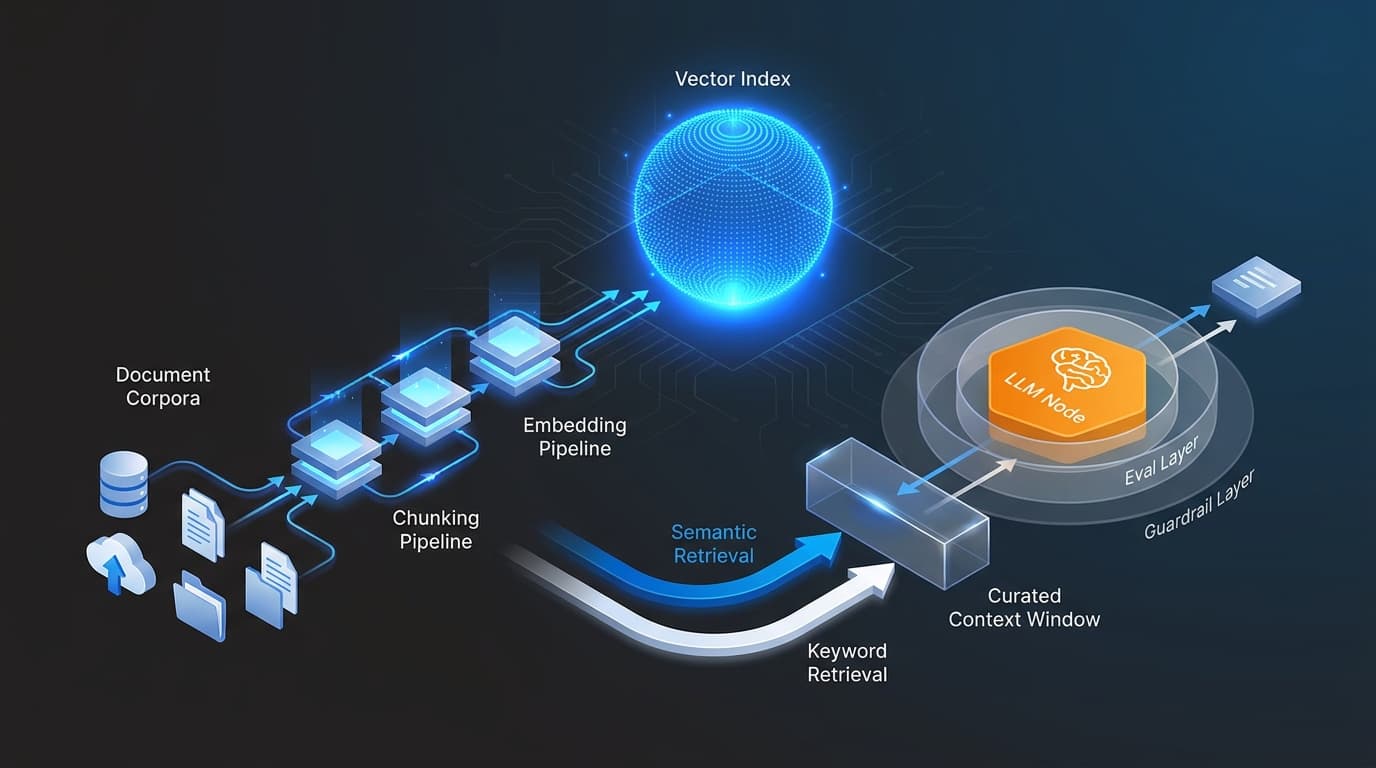
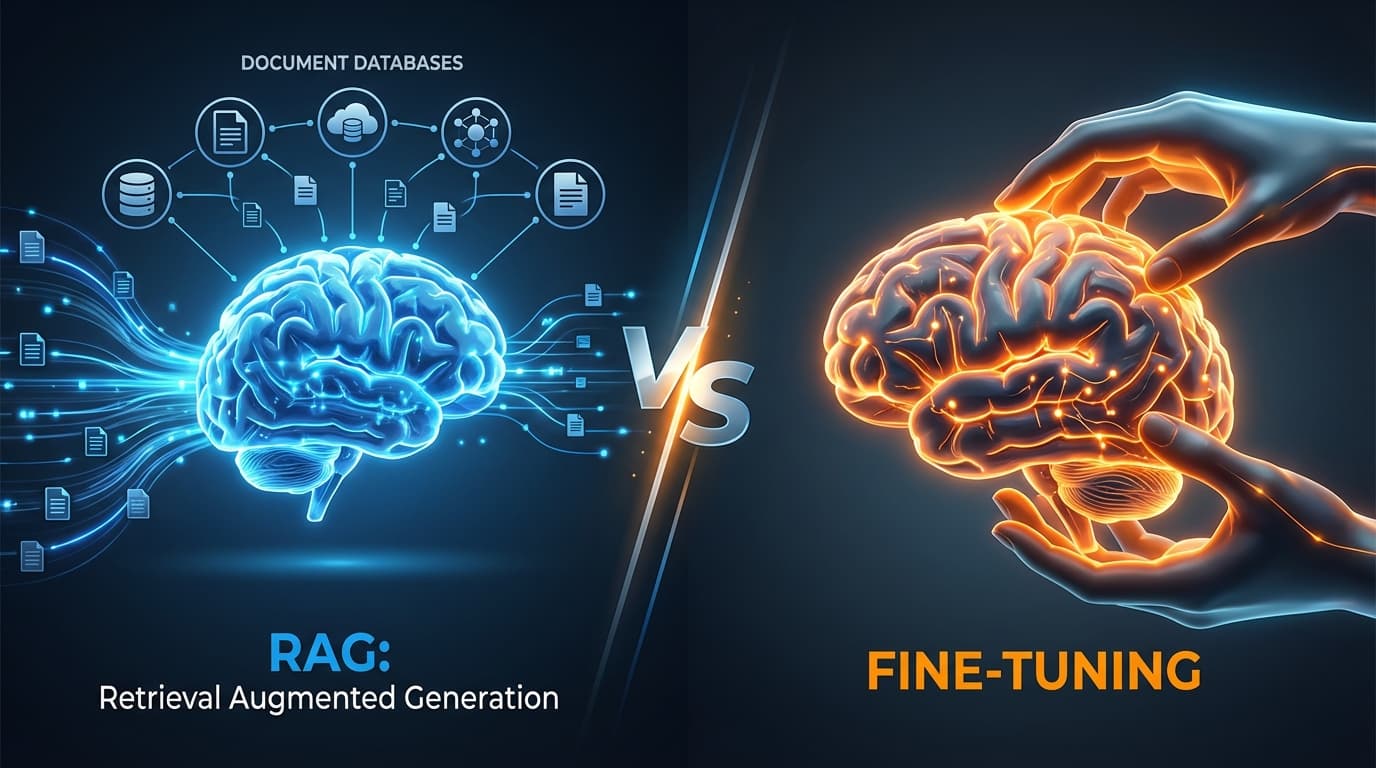
The wrong choice can cost months and significant budget. Learn when to use RAG, when to fine-tune, and when to combine both.

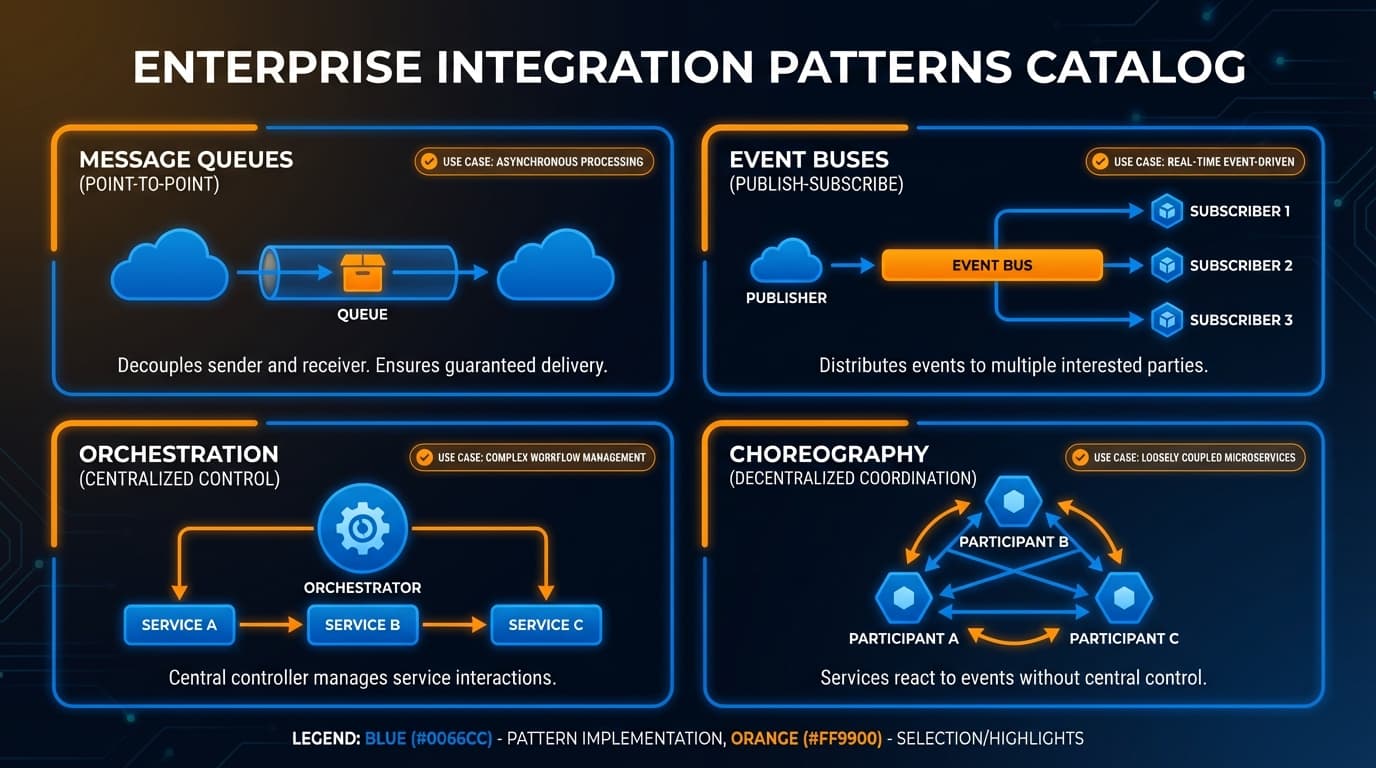
From pub/sub to saga orchestration, these battle-tested patterns solve real integration problems. Master them before your next architecture decision.

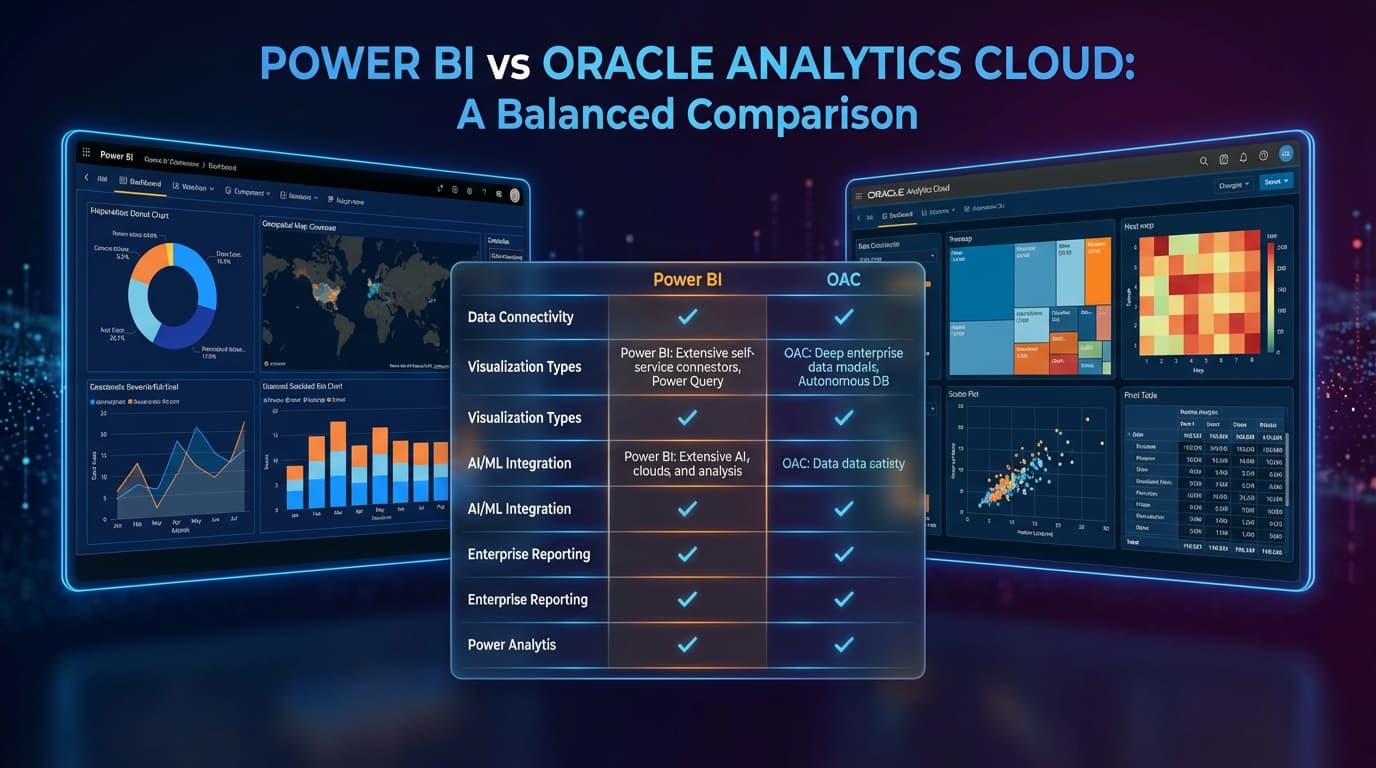
An honest comparison of Power BI and Oracle Analytics Cloud for enterprise deployments. We cover costs, strengths, integration, and when each tool shines.

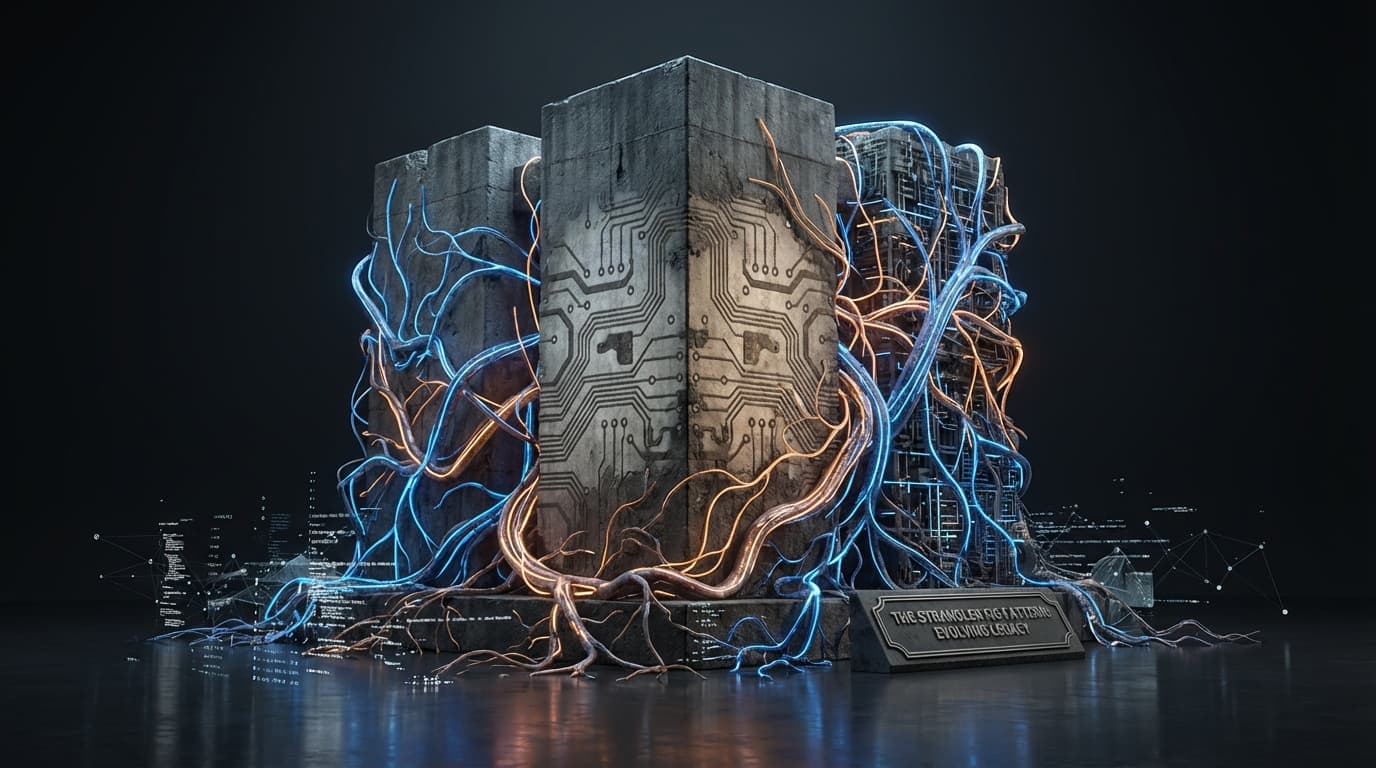
The safest way to modernize legacy systems is not to replace them all at once. The Strangler Fig pattern lets you incrementally transform while keeping the lights on.

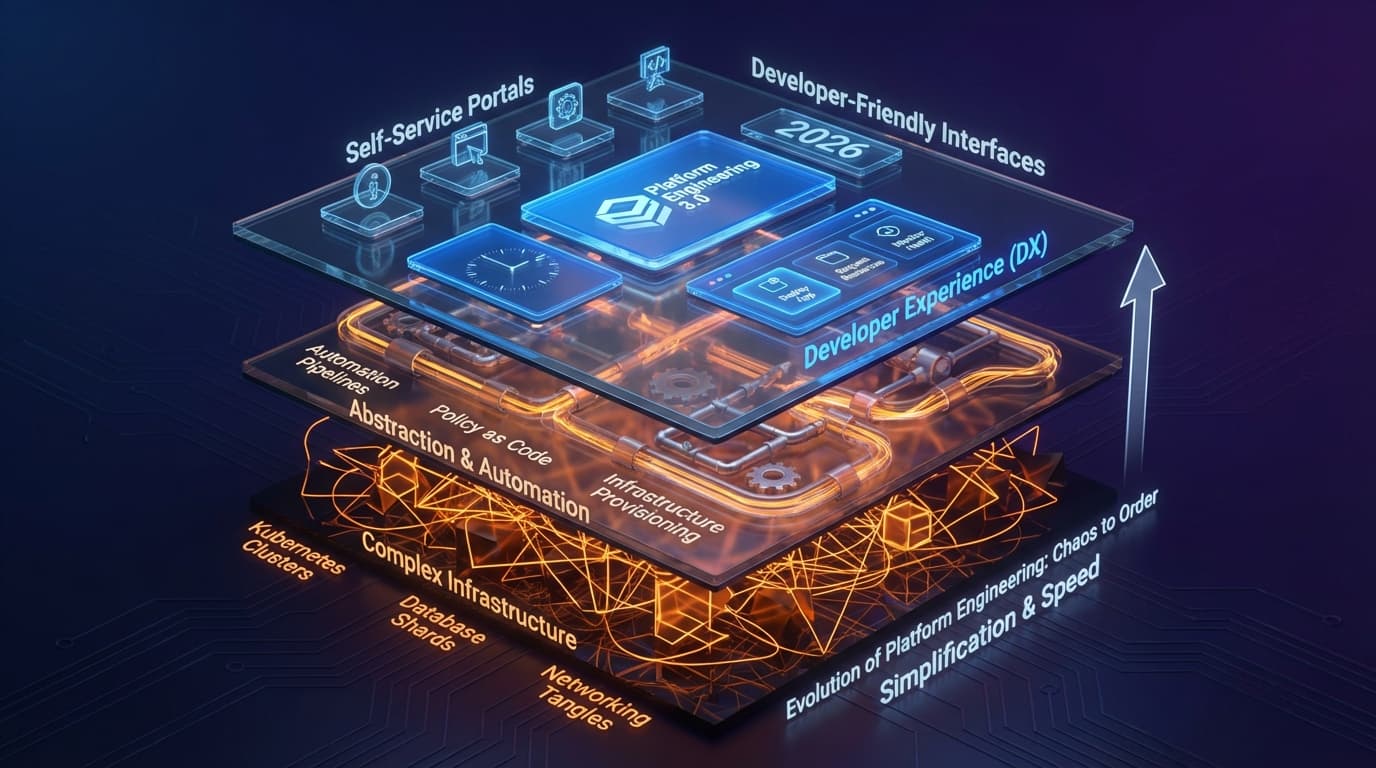
DevOps created cognitive overload. Platform Engineering offers Internal Developer Platforms that abstract complexity and accelerate delivery.

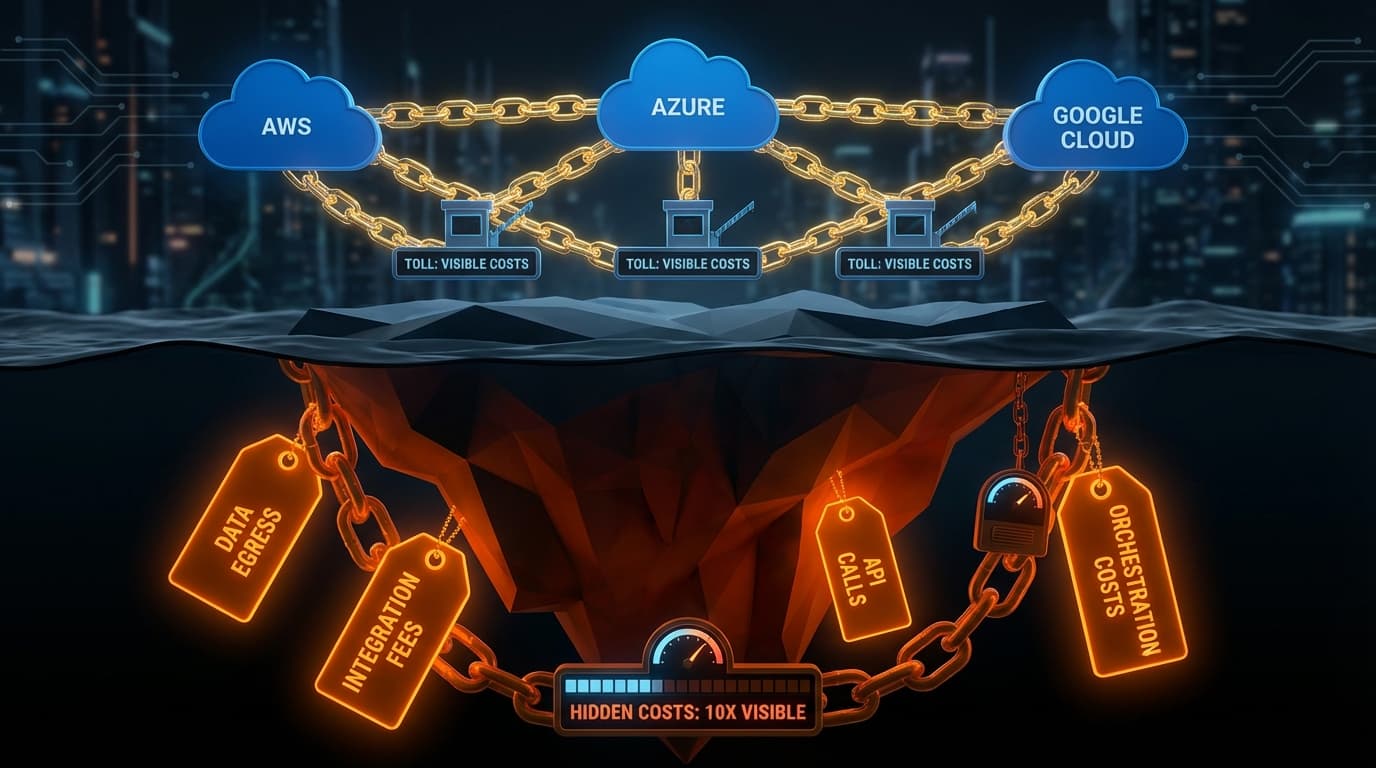
Multi-cloud promises flexibility, but the hidden costs can erode benefits. Here are 5 expenses that marketing materials conveniently omit.

Most AI projects fail not because of technology, but people and process. Learn the 5 critical pitfalls and how to avoid them.

Skip the hype. These are the AI implementations delivering measurable ROI at German enterprises today—from document processing to predictive maintenance.

That legacy system seems stable, but a CFO analysis reveals the true cost. Here are the warning signs that silence is expensive.

70% of cloud migrations fail. Here is the battle-tested framework DACH enterprises use to avoid the chaos and hit their targets.

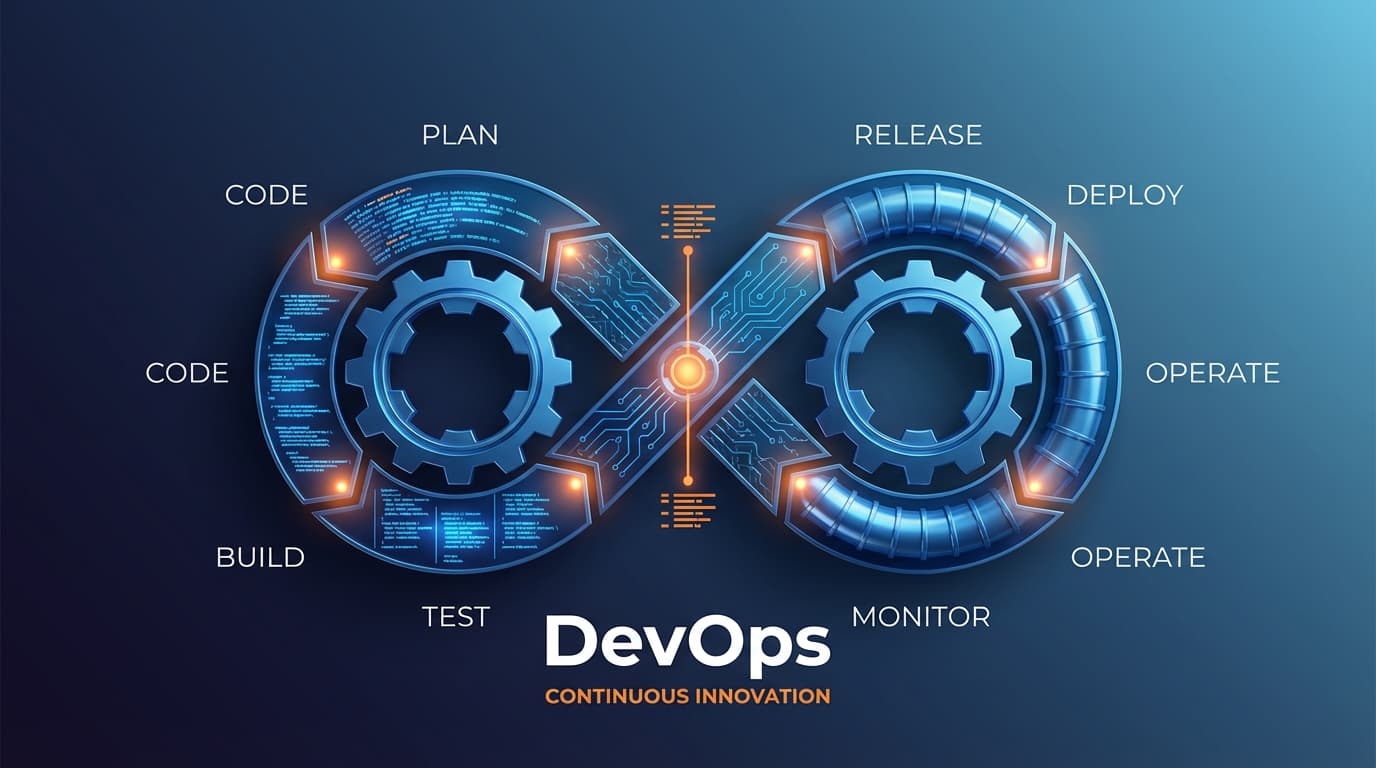
High performers deploy hundreds of times daily with near-zero failures. Everyone else struggles with weekly releases. What is the difference?

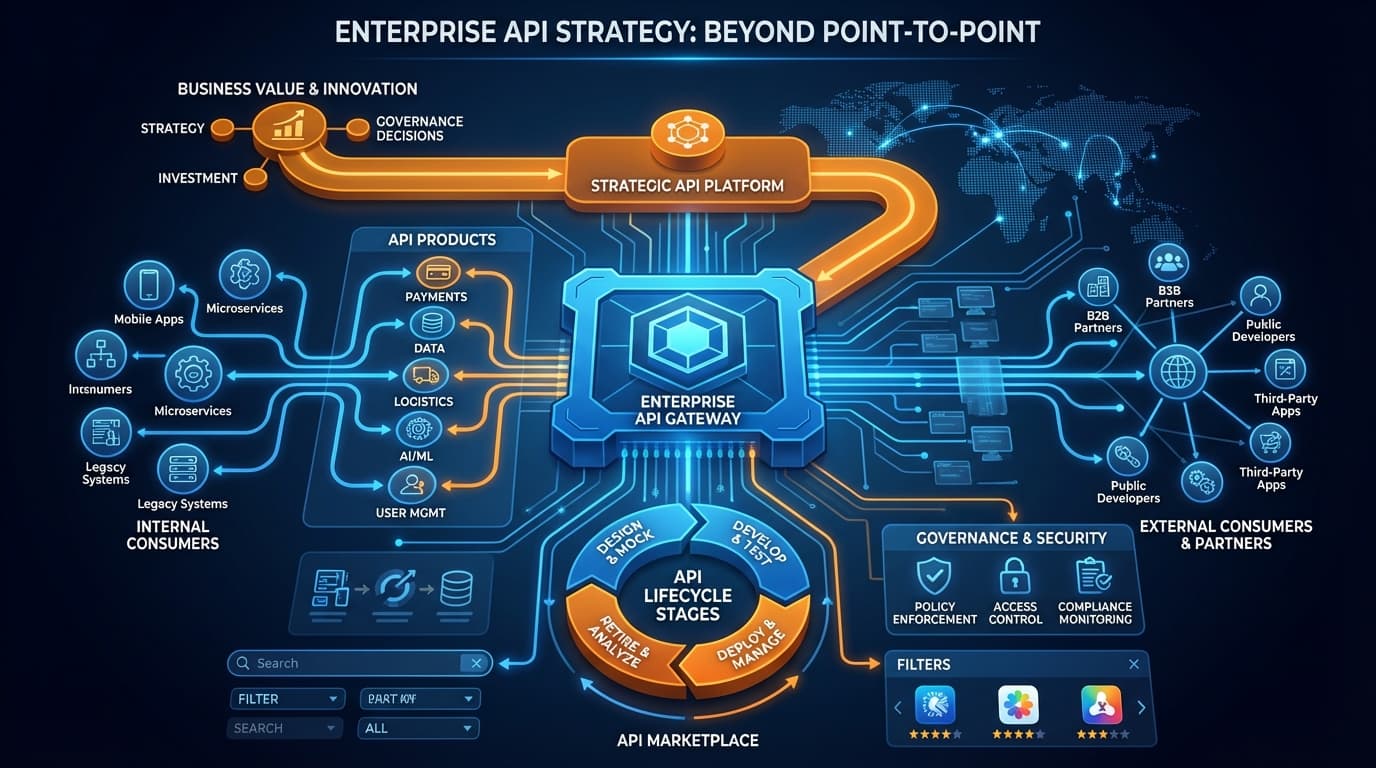
Point-to-point integrations are strangling your enterprise. Here's how a strategic API approach transforms chaos into competitive advantage.

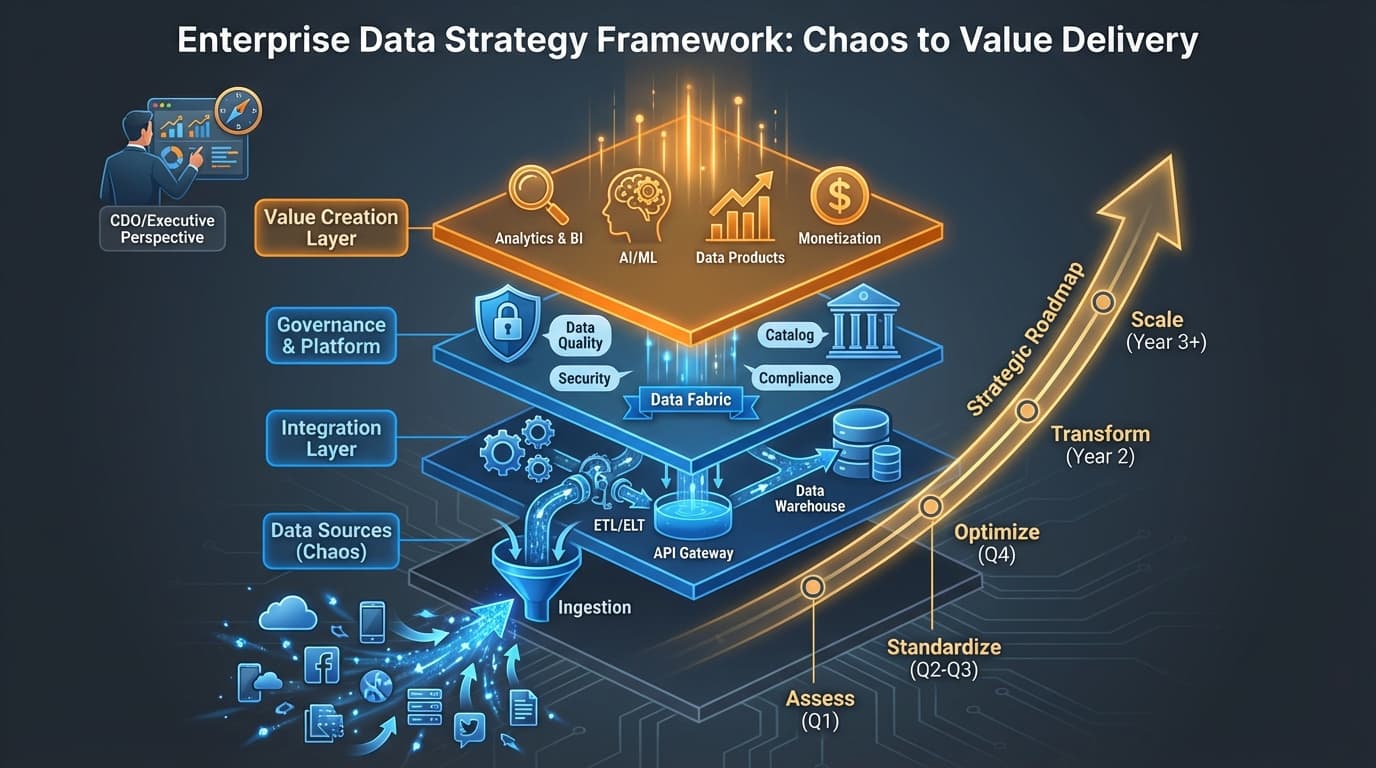
Most enterprises collect massive amounts of data but struggle to extract value. A practical framework with four pillars, a phased roadmap, and a Mittelstand example.